Specialized Care For Pelvic Health & Jaw Dysfunctions
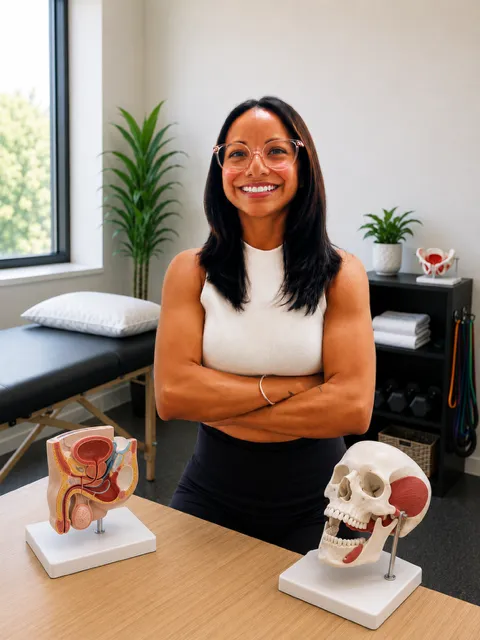
Sandy Shulca, PT, DPT
Doctor of Physical Therapy
Most People Ignore The Signs Until
Their Body Starts Losing Control
Ever Feel Like Pain Is Holding You Back From The Life You Deserve?
The jaw tension. The pelvic pain. The pressure. The headaches. The tightness. The stress your body never fully lets go of.
Dr. Sandy Shulca, PT, DPT helps men and women better understand their body through evidence-based education, online programs, and practical strategies for pelvic health, jaw dysfunction, movement, recovery, confidence, and control.
Whether you’re dealing with pelvic pain, performance concerns, leaking, TMJ dysfunction, headaches, clenching, hip tightness, or chronic tension, this site was created to help you better understand what may actually be happening inside your body and what you can start doing about it.
Start by exploring the free guides, educational blog posts, YouTube videos, and upcoming online programs designed to help you regain confidence, comfort, and control.
You are not broken. Your body is capable of change when you understand how the system actually works.
What Clients Are Saying:
Blogs By Dr. Sandy Shulca, PT, DPT

Understanding Jaw Pain, Neck Pain, & Headaches
“When the TMJ is irritated or inflamed, the surrounding muscles and nerves can become sensitive...."- Dr. Sandy Shulca, DPT
Introduction
Are you dealing with jaw pain, neck tension, or frequent headaches? You’re not alone—and the good news is, understanding what’s causing your discomfort is the first step toward relief. This blog explains how your jaw, neck, and head are connected, why pain happens, and how you can start feeling better.
How Your Jaw Works: Anatomy Made Simple
The jaw joint, called the Temporomandibular Joint (TMJ), is where your jawbone meets your skull, just in front of your ears. It works like a door hinge that also slides, allowing you to talk, chew, and yawn.
Think of your TMJ like a sliding closet door: it must move smoothly to work properly. If it gets stuck or moves unevenly, you can experience jaw pain, clicking, or locking.
Key Parts of the TMJ:
Jawbone (Mandible): The moving part.
Temporal Bone: The skull part the jaw connects to.
Articular Disc: A cushion that helps the joint move smoothly.
Muscles: Help move the jaw for talking and chewing.
The Body's Wiring: Cranial Nerves and Pain
The TMJ and neck are connected through several important cranial nerves—like wires running from your brain to various parts of your head, face, and neck.
Key Nerves Involved:
Trigeminal Nerve (CN V): The main nerve for facial sensation and chewing.
Facial Nerve (CN VII): Controls facial expressions.
Glossopharyngeal & Vagus Nerves: Linked to swallowing and throat sensation.
Imagine the cranial nerves as an electrical grid. If one circuit is overloaded or damaged, nearby circuits can be affected, leading to pain that spreads from your jaw to your head and neck.
Why Inflammation Leads to Headaches
When the TMJ is irritated or inflamed, the surrounding muscles and nerves can become sensitive. This irritation often triggers one-sided headaches, commonly felt near the temple, jaw, or behind the eye.
Think of Inflammation Like a Sprained Ankle: When you twist your ankle, the surrounding area swells and becomes tender. The same happens with your TMJ—only instead of ankle swelling, you feel it as jaw stiffness, neck tension, and pounding headaches.
Common Causes of Inflammation:
Grinding or clenching your teeth
Poor posture (like looking down at your phone)
High stress, causing tight jaw muscles
Injury or trauma to the jaw or neck
What You Can Do to Feel Better
Relax Your Jaw: Avoid clenching by keeping your teeth slightly apart and your tongue resting at the roof of your mouth.
Check Your Posture: Keep your head upright and shoulders relaxed.
Warm Compress: Apply gentle heat to ease muscle tension.
Jaw Exercises: Gentle stretching and movement exercises can restore normal jaw function (Check out my free guide for specific jaw exercises).
Conclusion
Jaw pain, neck tension, and headaches can feel overwhelming, but understanding the cause is the first step toward relief. If your discomfort persists, feel free to reach out to me! After all, I am a qualified physical therapist specializing in TMJ, neck conditions and pelvic dysfuncitons who provides 1:1 personalized care online and in person. Start your journey to feeling better today!
Other Resources

Pricing Table

Physical Therapy
Orthopedics
$200
Experience a thorough orthopedic movement screening inclusive of functional movements, manual techniques and tailored treatment plan to help achieve your goals
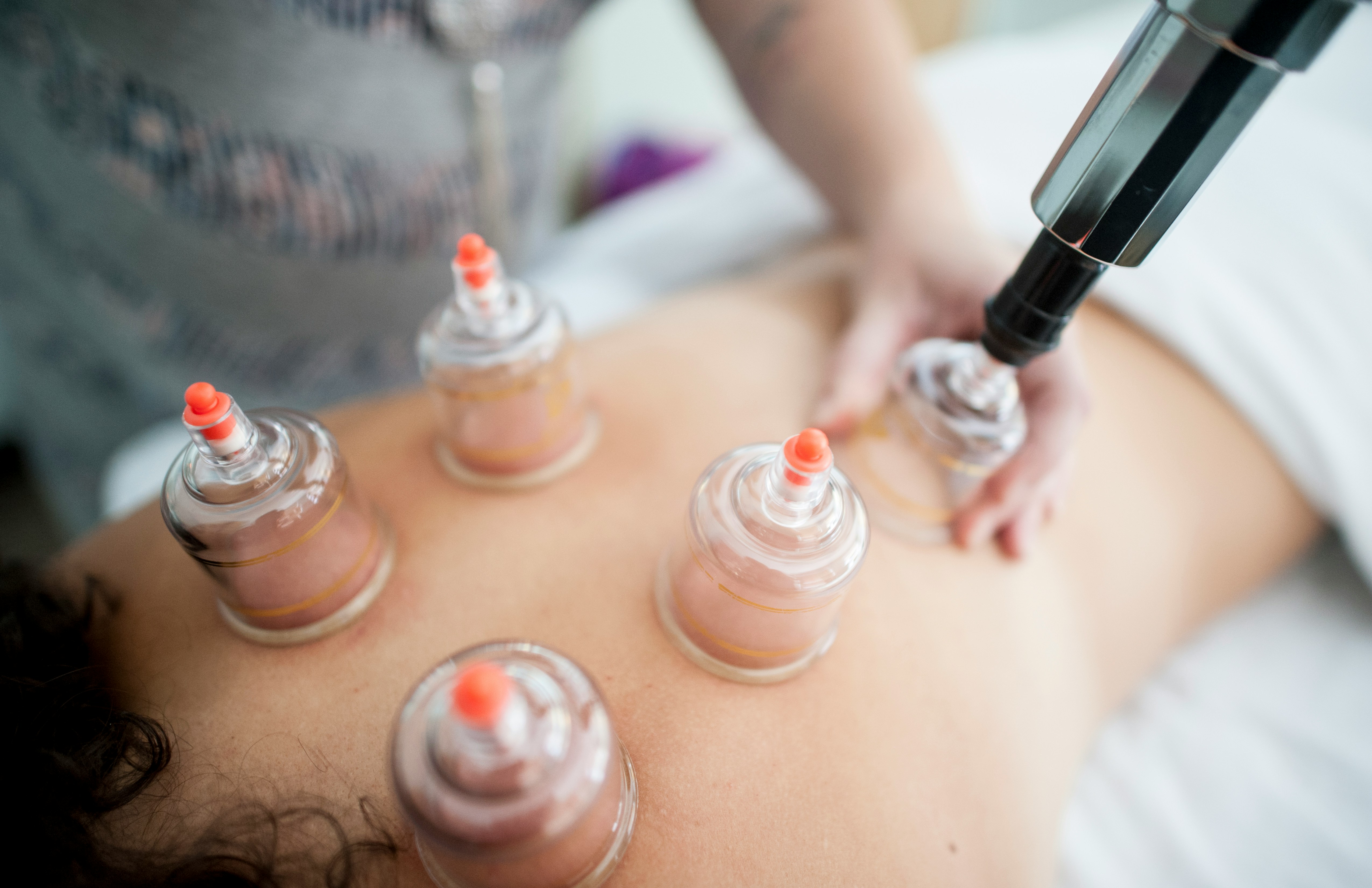
Wellness Services
$97
Click on the "Services & Pricing" tab to see all services provided

Physical Therapy
Pelvic Floor
$200
Experience a thorough pelvic health screening inclusive of manual techniques, functional movements, and tailored treatment plan to help achieve your goals
Online Programs Coming Soon!




Curious about what it's like to work with a Physical Therapist, but unsure of the best starting point? Delve into our blog posts or connect with us on social media below to gain deeper insights!
Quick Links
Specialized Physical Therapy
Jaw Dysfunctions (TMD/TMJ)
Jaw Clicking
Jaw Pain & Headaches
Pelvic Dysfunctions
Pelvic Floor Tension
Incontinence (leaking)
Postpartum Recovery
Testicular Pain
Orthopedic Conditions
Low back Pain
Knee pain
Ankle sprains
Neck Pain
Post-surgery recovery
Copyright 2023 . All rights reserved

Instagram
Youtube
LinkedIn