
Specialized Care For Pelvic Health & Jaw Dysfunctions
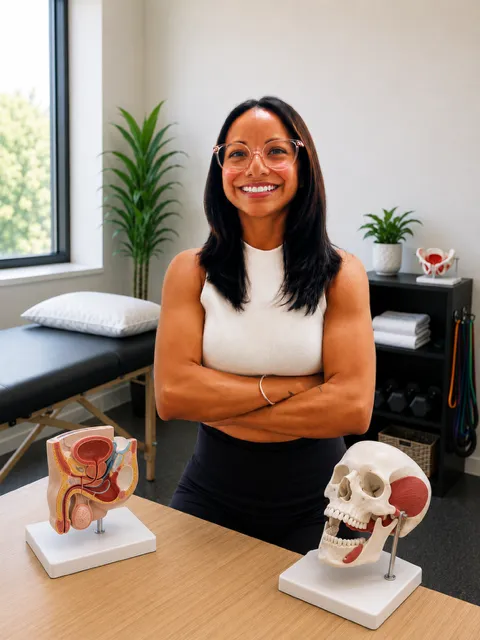
Sandy Shulca, PT, DPT
Doctor of Physical Therapy
Most People Ignore The Signs Until
Their Body Starts Losing Control
Ever Feel Like Pain Is Holding You Back From The Life You Deserve?
The jaw tension. The pelvic pain. The pressure. The headaches. The tightness. The stress your body never fully lets go of.
Dr. Sandy Shulca, PT, DPT helps men and women better understand their body through evidence-based education, online programs, and practical strategies for pelvic health, jaw dysfunction, movement, recovery, confidence, and control.
Whether you’re dealing with pelvic pain, performance concerns, leaking, TMJ dysfunction, headaches, clenching, hip tightness, or chronic tension, this site was created to help you better understand what may actually be happening inside your body and what you can start doing about it.
Start by exploring the free guides, educational blog posts, YouTube videos, and upcoming online programs designed to help you regain confidence, comfort, and control.
You are not broken. Your body is capable of change when you understand how the system actually works.
What Clients Are Saying:
Blogs By Dr. Sandy Shulca, PT, DPT

Common Causes of Pelvic Pain in Men
“Pelvic pain is usually not one single problem, it’s a stacking effect.” — Dr. Sandy Shulca, DPT
Pelvic pain in men can feel incredibly confusing.
Many men spend months — sometimes years — trying to figure out what is causing their symptoms. They may experience pelvic pressure, groin pain, testicular discomfort, bladder symptoms, tightness, or pain during sitting and still feel like nothing fully explains what is happening.
And one of the biggest reasons pelvic pain feels so frustrating is because it usually does not come from just one thing.
Most of the time, pelvic pain is not caused by one bad movement, one weak muscle, or one single injury.
It is usually a combination of factors building on top of each other over time.
The “Overflowing Cup” Effect
A simple way to understand pelvic pain is thinking about it like filling a cup with water.
Stress adds a little.
Sitting adds a little.
Poor sleep adds a little.
Heavy workouts add a little.
Poor breathing adds a little.
Chronic tension adds a little.
At first, the body can handle it.
But eventually the cup overflows and symptoms start showing up.
This is why many men suddenly develop pelvic pain even though they cannot identify one specific injury or moment where something “went wrong.”
The body was often building tension and overload long before the pain appeared.
Chronic Muscle Tension
One of the biggest contributors to pelvic pain in men is chronic muscle tension.
Many men are unconsciously clenching their pelvic floor throughout the day without even realizing it.
This can happen:
during stress
during workouts
while sitting
while driving
while concentrating
even during sleep
The pelvic floor is designed to move, contract, relax, and coordinate with breathing and movement. It is not designed to stay tight all day long.
Over time, muscles that never fully relax often become painful, fatigued, irritated, and poorly coordinated.
This is one reason many men with pelvic pain also describe feeling: tight, guarded, unable to fully relax, constantly tense through the hips, abdomen, or pelvis
Poor Coordination Between the Core, Hips, and Pelvic Floor
Sometimes the issue is not weakness.
Sometimes the muscles are simply working at the wrong time.
The pelvic floor constantly works together with the:
breathing muscles
abdominal muscles
hips
low back
nervous system
When these systems stop coordinating properly, the body begins creating inefficient pressure and tension patterns.
A good way to think about it is like slamming the gas pedal and brakes at the same time.
The car does not move smoothly, and the system wears down faster.
That is often what happens when the pelvic floor is not coordinating properly with breathing, movement, posture, and pressure management.
Nervous System Overload
Another major contributor to pelvic pain is nervous system sensitivity.
When stress stays elevated for long periods of time or when pain has been around for a while, the nervous system can become overprotective.
This can cause:
muscles to tighten reflexively
symptoms to move around
normal sensations to feel painful
pain to persist longer than expected
This is one reason pelvic pain can feel unpredictable.
Some days symptoms feel manageable.
Other days the body suddenly feels irritated, tense, or hypersensitive again.
Pain does not always mean damage.
Very often, it means the system is stuck in protection mode.
Sitting, Heavy Lifting, and Exercise Load
Sitting for long periods increases pressure through the pelvis.
Heavy lifting increases pressure demands on the core and pelvic floor.
Endurance sports require constant muscle control and stability.
None of these things are bad.
But without proper recovery, breathing mechanics, movement variability, and relaxation, they can add more load to an already overloaded system.
This is why pelvic pain often worsens during:
stressful work weeks
long drives
prolonged sitting
intense training phases
periods of poor recovery
The body can usually tolerate stress well until too many stressors begin stacking together at once.
What Can Help Reduce Pelvic Pain?
One of the biggest mistakes men make is immediately trying to “push through” pelvic pain with more stretching, more exercises, or more force.
But often the first goal is not increasing intensity.
The first goal is reducing tension and pressure around the pelvis.
One thing that helps many men is gentle massage gun work around surrounding muscles like the: glutes, hamstrings, and inner thighs.
Not directly on the pelvic floor itself.
The goal is light relaxation, not aggressive deep pressure.These muscles connect directly into the pelvis, and when they stay tight, they can increase pulling, compression, and pressure throughout the system.
Heat can also help.
Warm showers or baths with Epsom salt often help relax muscles, improve blood flow, and calm nervous system tension, especially after long periods of stress or sitting.
And one of the simplest but most effective strategies is simply moving more often.
The human body was not designed to sit for hours at a time.
Standing up every 30 to 45 minutes, walking briefly, changing positions, or lightly stretching can help reduce constant pressure on the pelvic floor and improve circulation and muscle tone.
You do not always need an intense workout.
Sometimes you simply need interruptions to the tension cycle.
Pelvic Pain Is Not Random
Pelvic pain follows patterns. And patterns can change.
The body adapts to stress, tension, posture, pressure, movement habits, breathing patterns, and nervous system overload over time. That means many pelvic pain symptoms are not random failures of the body, they are often the result of an overloaded system asking for better balance and recovery.
Understanding the “why” behind symptoms is often the first step toward finally making progress.
I’m Dr. Sandy, your pelvic health and jaw physical therapy specialist. If this helped you better understand your body, keep learning, keep asking questions, and remember, your body is not working against you. It is responding to the load being placed on it.



Pricing Table

Physical Therapy
Orthopedics
$200
Experience a thorough orthopedic movement screening inclusive of functional movements, manual techniques and tailored treatment plan to help achieve your goals
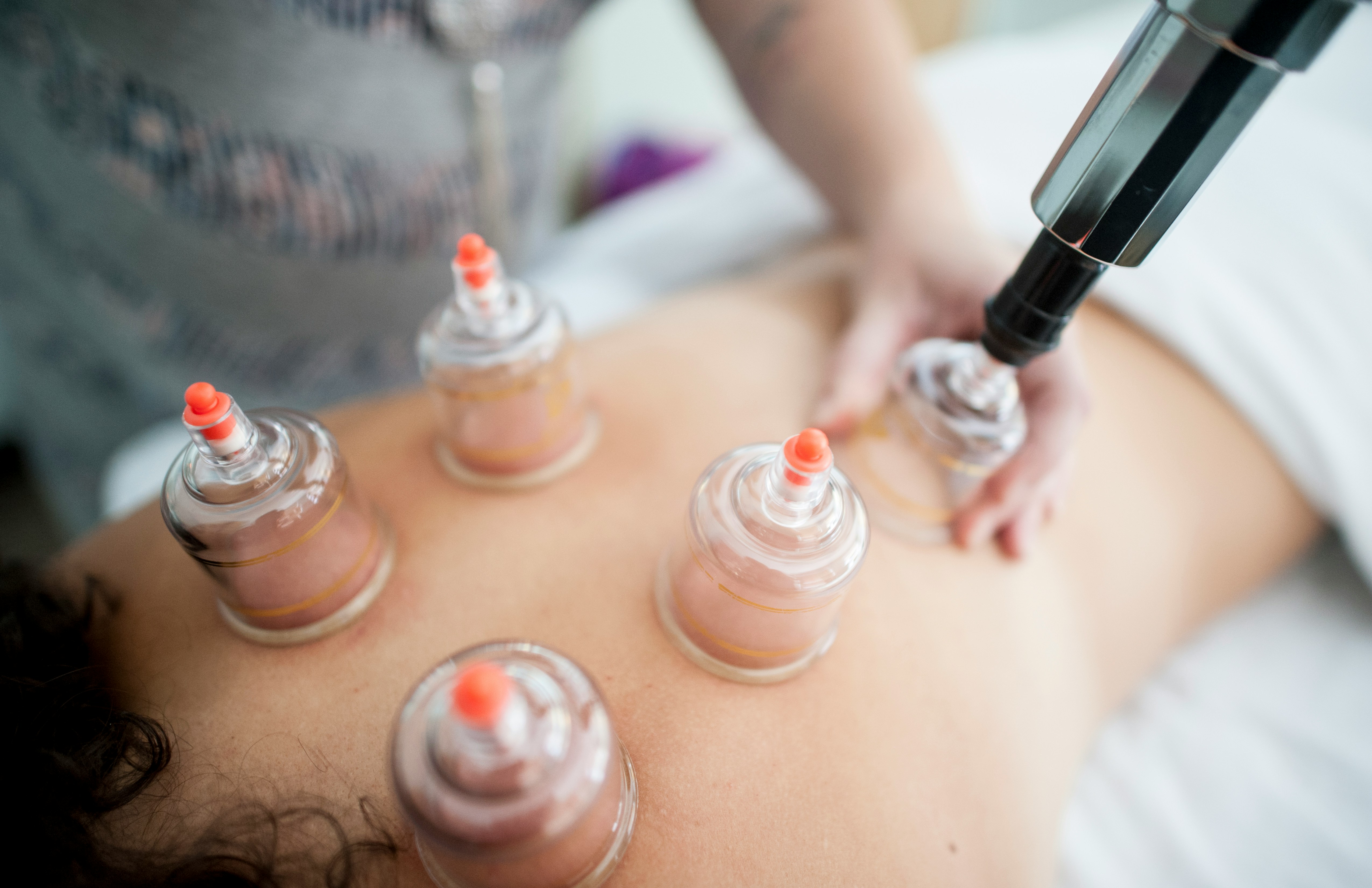
Wellness Services
$97
Click on the "Services & Pricing" tab to see all services provided

Physical Therapy
Pelvic Floor
$200
Experience a thorough pelvic health screening inclusive of manual techniques, functional movements, and tailored treatment plan to help achieve your goals
Online Programs Coming Soon!




Curious about what it's like to work with a Physical Therapist, but unsure of the best starting point? Delve into our blog posts or connect with us on social media below to gain deeper insights!
Quick Links
Specialized Physical Therapy
Jaw Dysfunctions (TMD/TMJ)
Jaw Clicking
Jaw Pain & Headaches
Pelvic Dysfunctions
Pelvic Floor Tension
Incontinence (leaking)
Postpartum Recovery
Testicular Pain
Orthopedic Conditions
Low back Pain
Knee pain
Ankle sprains
Neck Pain
Post-surgery recovery
Copyright 2023 . All rights reserved

Instagram
Youtube
LinkedIn