Specialized Care For Pelvic Health & Jaw Dysfunctions

Sandy Shulca, PT, DPT
Doctor of Physical Therapy
Most People Ignore The Signs Until
Their Body Starts Losing Control
Ever Feel Like Pain Is Holding You Back From The Life You Deserve?
The jaw tension. The pelvic pain. The pressure. The headaches. The tightness. The stress your body never fully lets go of.
Dr. Sandy Shulca, PT, DPT helps men and women better understand their body through evidence-based education, online programs, and practical strategies for pelvic health, jaw dysfunction, movement, recovery, confidence, and control.
Whether you’re dealing with pelvic pain, performance concerns, leaking, TMJ dysfunction, headaches, clenching, hip tightness, or chronic tension, this site was created to help you better understand what may actually be happening inside your body and what you can start doing about it.
Start by exploring the free guides, educational blog posts, YouTube videos, and upcoming online programs designed to help you regain confidence, comfort, and control.
You are not broken. Your body is capable of change when you understand how the system actually works.
What Clients Are Saying:
Blogs By Dr. Sandy Shulca, PT, DPT

Erections, Endurance, & the Pelvic Floor (What Men Aren’t Told)
“Strong, reliable performance comes from balanced pressure and precise control, not just more blood flow.” — Dr. Sandy Shulca, DPT
Most men are never actually taught how erections work.
So when something changes, whether it is reduced firmness, less endurance, inconsistent performance, or difficulty maintaining erections under stress, many men immediately assume it must be testosterone, aging, or that something is “wrong” with them.
But erections are not just hormonal. They are mechanical, neurological, muscular, vascular, and pressure-based.
And the pelvic floor plays a major role in all of it.
Erections Are a Pressure System
To better understand erections, it helps to stop thinking of the penis like a muscle and start thinking of it more like a high-performance tire.
For a tire to stay firm and stable:
pressure has to build properly
the structure has to stay flexible
the seal has to hold
the control system has to respond efficiently
The pelvic floor works very similarly.
Inside the penis, blood fills spongy tissue and must stay under the right amount of pressure to maintain firmness. The pelvic floor muscles at the base help regulate and maintain that pressure.
These muscles help:
trap blood flow
support erection quality
control ejaculation timing
manage pressure
coordinate endurance and relaxation
When the muscles are functioning well, the system works more efficiently.
But when the muscles become too weak, too tight, fatigued, or poorly coordinated, symptoms can begin showing up.
Tight Muscles Can Affect Performance Too
One of the biggest misconceptions men have is assuming pelvic floor problems only happen when muscles are weak.
But tight muscles can also create problems.
When pelvic floor muscles stay constantly clenched or overactive, the system may struggle to fully relax and allow proper blood flow and pressure changes. This can affect erection quality, endurance, control, and comfort.
Many men unknowingly hold tension in the pelvis during:
stress
sitting
workouts
driving
performance anxiety
core bracing
even sleep
Over time, constant tension can reduce coordination and efficiency throughout the system.
Trying to force stronger erections through constant clenching is a lot like squeezing a garden hose. Eventually, the system stops flowing and responding the way it should.
Pelvic Pain, Testicular Pain, and Erections Are Often Connected
The pelvic floor muscles and connective tissues are closely connected to the: penis, groin, testicles, hips, and lower abdomen.
When these tissues become overworked, irritated, or overly tense, pain may show up:
at the base of the penis
in the testicles
deep in the groin
as pressure or aching that feels difficult to pinpoint
This is one reason many men experience penile pain or testicular discomfort even when scans, ultrasounds, labs, or imaging come back normal.
In many cases, the issue is not damage to the penis itself. It is often a pressure, tension, coordination, and nervous system problem happening around the pelvis.
Endurance Is Not About Constant Clenching
Many men think endurance means squeezing harder or staying tense longer. But true endurance is actually controlled contraction and controlled relaxation.
Think about running.
You do not sprint at maximum effort the entire time. You pace yourself, regulate effort, and allow recovery between contractions.
The pelvic floor works similarly.
Healthy pelvic floor muscles should be able to:
contract when needed
relax when needed
coordinate with breathing
adapt to pressure changes
recover between effort
A muscle that stays clenched all day eventually becomes fatigued and inefficient.
Real control comes from balance, not constant tension.
Stress and the Nervous System Matter More Than Most Men Realize
When stress levels stay high, the nervous system shifts into survival mode.
In survival mode, the body prioritizes protection over reproduction.
Muscles tighten.
Breathing changes.
Blood flow shifts.
Pressure patterns change.
This is physiology, not weakness.
This is one reason many men notice changes in performance during periods of: chronic stress, anxiety, burnout, poor sleep, overtraining, emotional overload
The body responds differently when the nervous system constantly feels under threat.
Testosterone Is Only One Piece of the Puzzle
Testosterone absolutely matters. But it is not the full picture.
A man can have completely normal testosterone levels and still struggle with:
pelvic tension
poor coordination
chronic clenching
nervous system overload
pressure management problems
poor breathing mechanics
This is one reason medications do not always fully solve the issue. Because erections are not only hormonal. They are also mechanical and neurological.
One of the Most Overlooked Solutions: Move More Often
One of the most overlooked strategies for pelvic health and performance is simple movement throughout the day.
The pelvic floor is designed to move with the body, not stay compressed and tense for hours at a time.
Long periods of sitting increase pressure through the pelvis and often increase tightness in the pelvic floor, hips, glutes and inner thighs
That tension can contribute to discomfort, reduced blood flow, guarding, and coordination issues.
One simple strategy that helps many men is standing up and moving every 30 to 45 minutes. Not intense exercise. Just movement.
Walking briefly, changing positions, gently stretching the hips, or simply interrupting long periods of sitting can help reduce pressure, improve blood flow, calm muscle guarding, and reset tension patterns.
Consistency matters more than intensity here. Small movement breaks throughout the day are often more effective than one aggressive stretching session at night.
Final Thoughts
Sexual performance is not simply a trait you either have or do not have.
It is a skill-based physical process involving pressure, coordination, relaxation, endurance, blood flow, movement, and nervous system regulation.
The pelvic floor plays a much larger role in erections, endurance, control, and comfort than most men are ever taught.
And when symptoms begin showing up, it does not automatically mean something is permanently wrong with you.
Many times, the body is simply overloaded, overprotective, tight, fatigued, or poorly coordinated. These patterns are real, but they can also be improved.
And of course, if symptoms are severe, worsening, or associated with other concerning symptoms, always consult your medical provider for further evaluation.
I’m Dr. Sandy, your pelvic health and jaw physical therapy specialist. If this helped you better understand your body, keep learning, keep asking questions, and remember, performance is not just about force. It is also about control.
Research & Sources
The Role of Pelvic Floor Muscles in Male Sexual Dysfunction and Pelvic Pain
Pattern of activation of pelvic floor muscles in men differs with verbal instructions
Postural and respiratory functions of the pelvic floor muscles



Pricing Table

Physical Therapy
Orthopedics
$200
Experience a thorough orthopedic movement screening inclusive of functional movements, manual techniques and tailored treatment plan to help achieve your goals
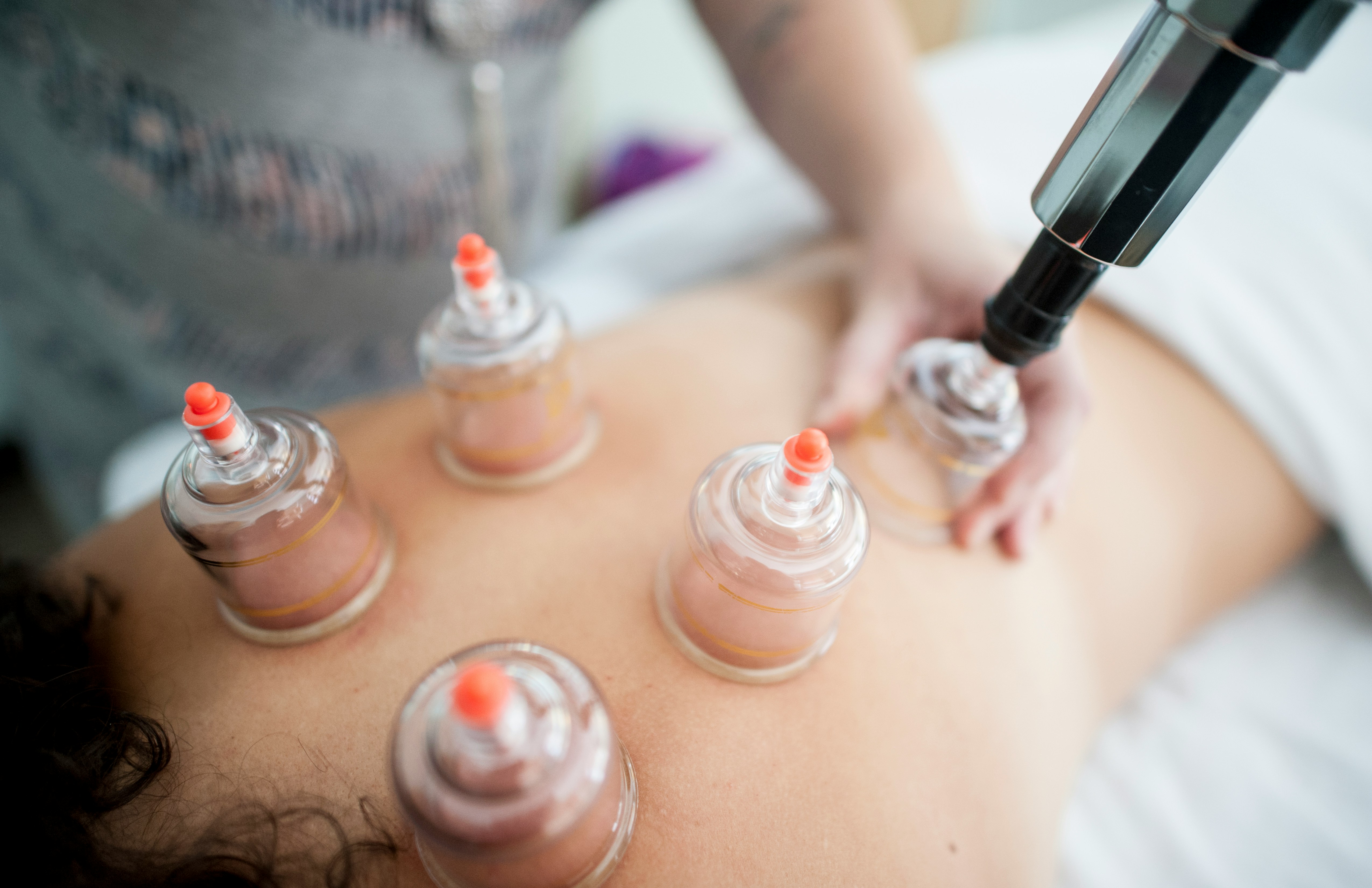
Wellness Services
$97
Click on the "Services & Pricing" tab to see all services provided

Physical Therapy
Pelvic Floor
$200
Experience a thorough pelvic health screening inclusive of manual techniques, functional movements, and tailored treatment plan to help achieve your goals
Online Programs Coming Soon!




Curious about what it's like to work with a Physical Therapist, but unsure of the best starting point? Delve into our blog posts or connect with us on social media below to gain deeper insights!
Quick Links
Specialized Physical Therapy
Jaw Dysfunctions (TMD/TMJ)
Jaw Clicking
Jaw Pain & Headaches
Pelvic Dysfunctions
Pelvic Floor Tension
Incontinence (leaking)
Postpartum Recovery
Testicular Pain
Orthopedic Conditions
Low back Pain
Knee pain
Ankle sprains
Neck Pain
Post-surgery recovery
Copyright 2023 . All rights reserved

Instagram
Youtube
LinkedIn