Specialized Care For Pelvic Health & Jaw Dysfunctions
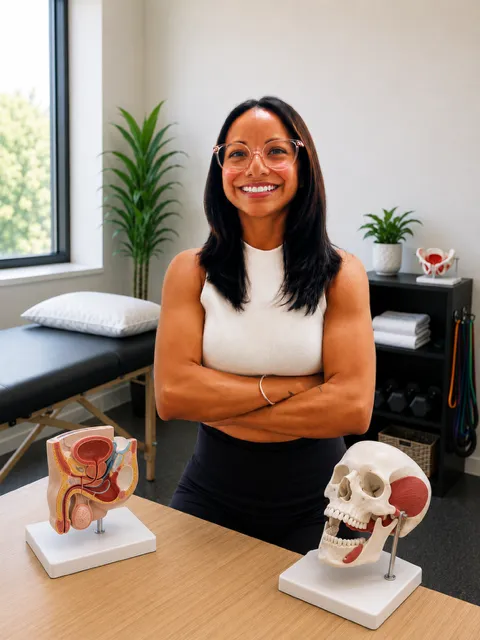
Sandy Shulca, PT, DPT
Doctor of Physical Therapy
Most People Ignore The Signs Until
Their Body Starts Losing Control
Ever Feel Like Pain Is Holding You Back From The Life You Deserve?
The jaw tension. The pelvic pain. The pressure. The headaches. The tightness. The stress your body never fully lets go of.
Dr. Sandy Shulca, PT, DPT helps men and women better understand their body through evidence-based education, online programs, and practical strategies for pelvic health, jaw dysfunction, movement, recovery, confidence, and control.
Whether you’re dealing with pelvic pain, performance concerns, leaking, TMJ dysfunction, headaches, clenching, hip tightness, or chronic tension, this site was created to help you better understand what may actually be happening inside your body and what you can start doing about it.
Start by exploring the free guides, educational blog posts, YouTube videos, and upcoming online programs designed to help you regain confidence, comfort, and control.
You are not broken. Your body is capable of change when you understand how the system actually works.
What Clients Are Saying:
Blogs By Dr. Sandy Shulca, PT, DPT
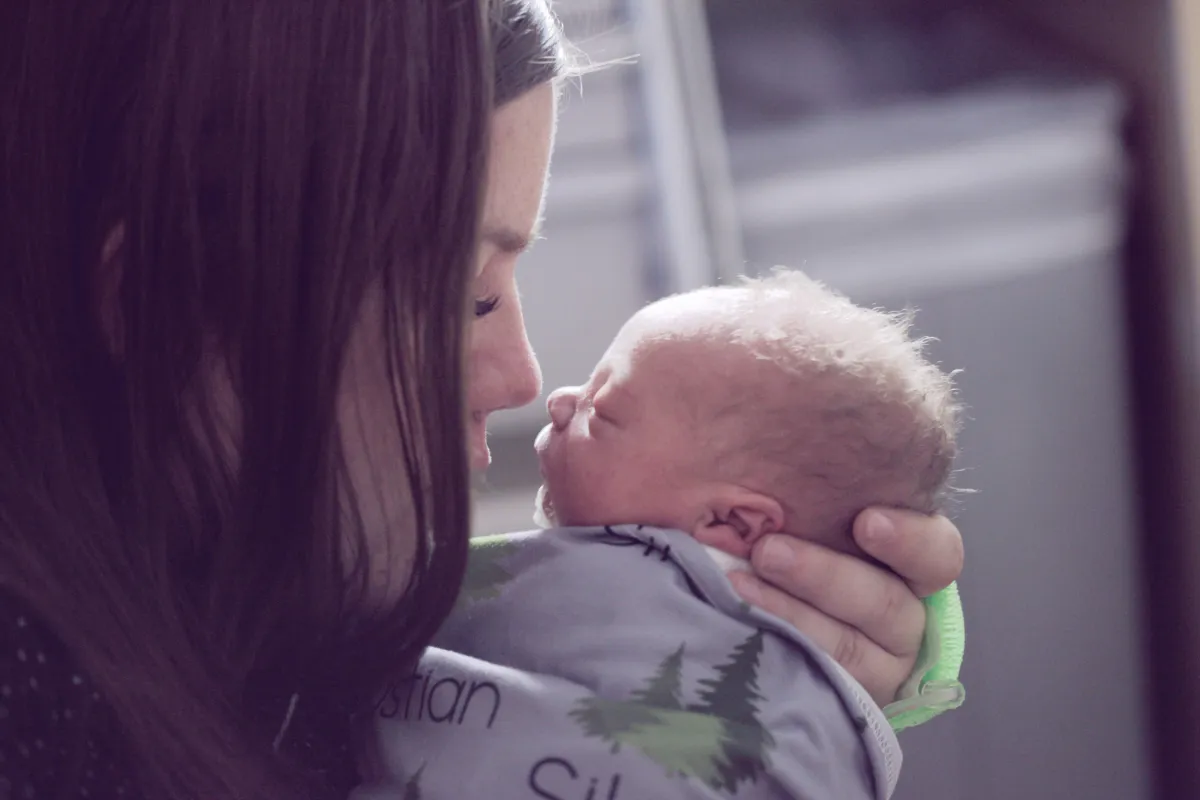
Nobody Told Me THIS Could Happen to My Pelvic Floor After Having a Baby
After having a baby, everyone seems to ask about the baby. Is the baby sleeping? Is the baby eating? How are you adjusting? Meanwhile, your body may be doing some pretty unexpected things that nobody really warned you about.
Maybe you pee a little when you sneeze. Running or jumping suddenly feels different. Sex is uncomfortable. You feel a strange heaviness or pressure down there. Or going to the bathroom just doesn't feel the way it used to. And naturally, you start wondering,"Is this just what happens after having a baby?"
These symptoms can be common postpartum, but that doesn't mean you should automatically accept them as your new normal. Your pelvic floor is a group of muscles that helps support your bladder, uterus, and rectum and plays a role in bladder control, bowel movements, sexual function, and even core stability. During pregnancy, these muscles spend months adapting to a growing baby and increased pressure, and then they have to deal with childbirth on top of it.
After delivery, your pelvic floor may be weaker, stretched, irritated, poorly coordinated, or sometimes even too tight. That's one reason the classic advice to "just do Kegels" isn't always the full answer. Different pelvic floor problems may require completely different approaches.
One of the most common surprises is leaking urine when you cough, sneeze, laugh, jump, or exercise. A 2023 systematic review and meta-analysis involving more than 28,000 women found postpartum urinary incontinence in approximately 26% of women. So yes, it's common, but leaking can involve more than simply having "weak muscles." Breathing, abdominal pressure, muscle coordination, and how your pelvic floor responds during movement can all contribute.
Then there's the mysterious feeling of heaviness or pressure down there. Some women describe it as feeling like something is falling out or like there's a tampon sitting inside when there isn't one. This can sometimes be associated with pelvic organ prolapse, which occurs when the tissues supporting the pelvic organs aren't providing the same level of support. The American College of Obstetricians and Gynecologists (ACOG) identifies pregnancy and childbirth as important risk factors for pelvic organ prolapse.
And prolapse doesn't automatically mean surgery. Depending on the person and severity, pelvic floor physical therapy, exercise modifications, lifestyle changes, pessaries, and other conservative treatments may be options.
Getting back to exercise can also be more complicated than expected. You may be medically cleared and think,"Perfect, I'm ready to run and lift again!" But being medically cleared doesn't necessarily mean your pelvic floor and core are ready to jump straight back into everything you were doing before pregnancy.
Your pelvic floor, abdominal muscles, breathing system, hips, and core have to learn how to manage pressure and load again. That's why postpartum recovery isn't always about simply getting stronger. It's also about rebuilding coordination and gradually increasing what your body can handle. ACOG recommends gradually returning to physical activity postpartum when medically safe while considering your delivery and any complications.
Here's the biggest thing I wish more women knew: you can be medically healed and still have pelvic floor symptoms. You might still leak, have pain with sex, feel pressure, struggle with bowel movements, or simply feel like something isn't quite right when you exercise.
So if something feels different after having your baby, talk about it. Ask questions. You don't have to wait until your symptoms become severe before getting help.
Pregnancy and childbirth change a lot more than your belly.
Your pelvic floor went through pregnancy too, and sometimes it needs a little help getting back in the game.
—Dr. Sandy Shulca, PT, DPT
Pelvic Health & TMJ Physical Therapist
This blog is for educational purposes and does not replace individualized medical evaluation or treatment.



Pricing Table

Physical Therapy
Orthopedics
$200
Experience a thorough orthopedic movement screening inclusive of functional movements, manual techniques and tailored treatment plan to help achieve your goals
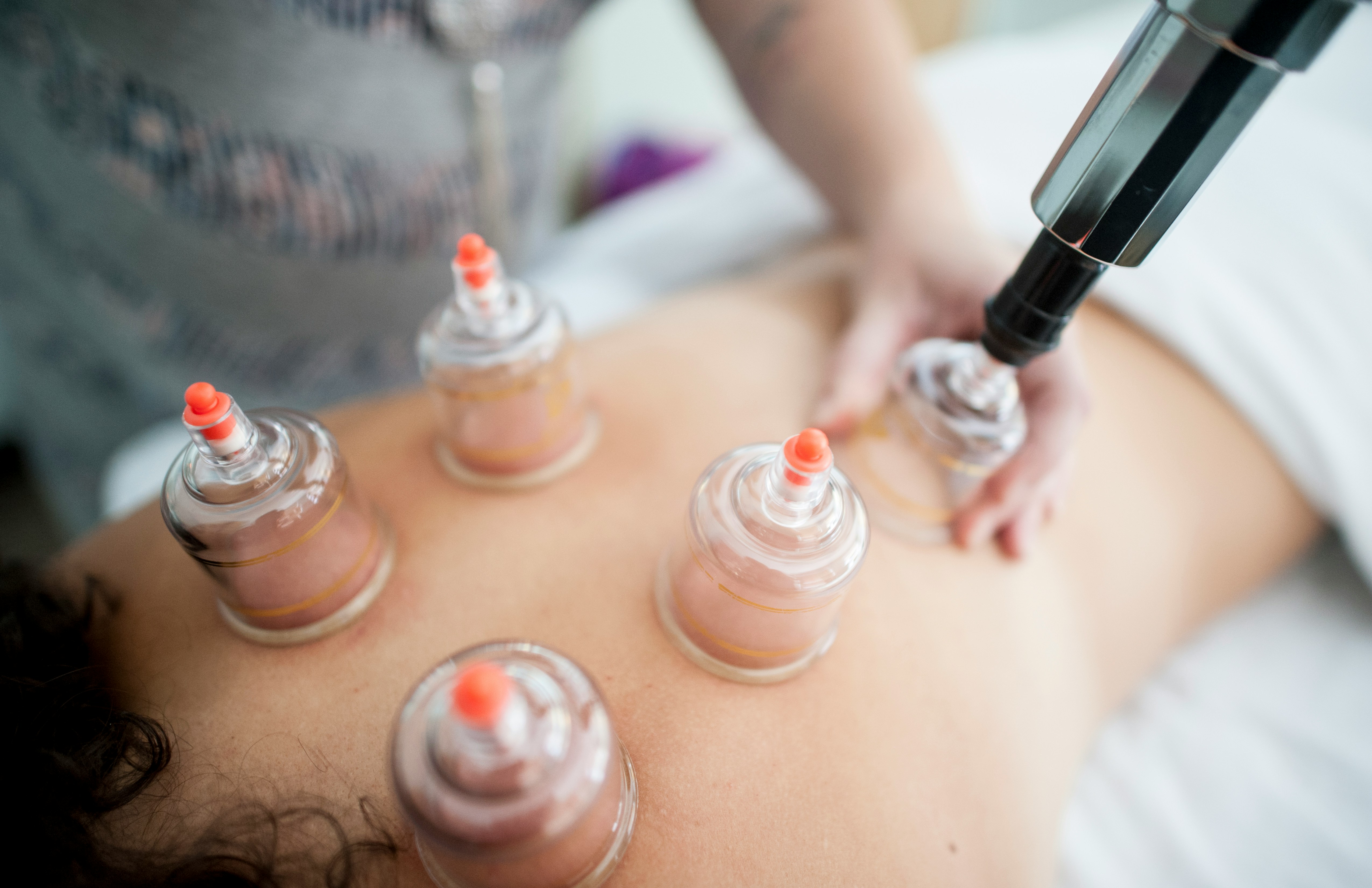
Wellness Services
$97
Click on the "Services & Pricing" tab to see all services provided

Physical Therapy
Pelvic Floor
$200
Experience a thorough pelvic health screening inclusive of manual techniques, functional movements, and tailored treatment plan to help achieve your goals
Online Programs Coming Soon!
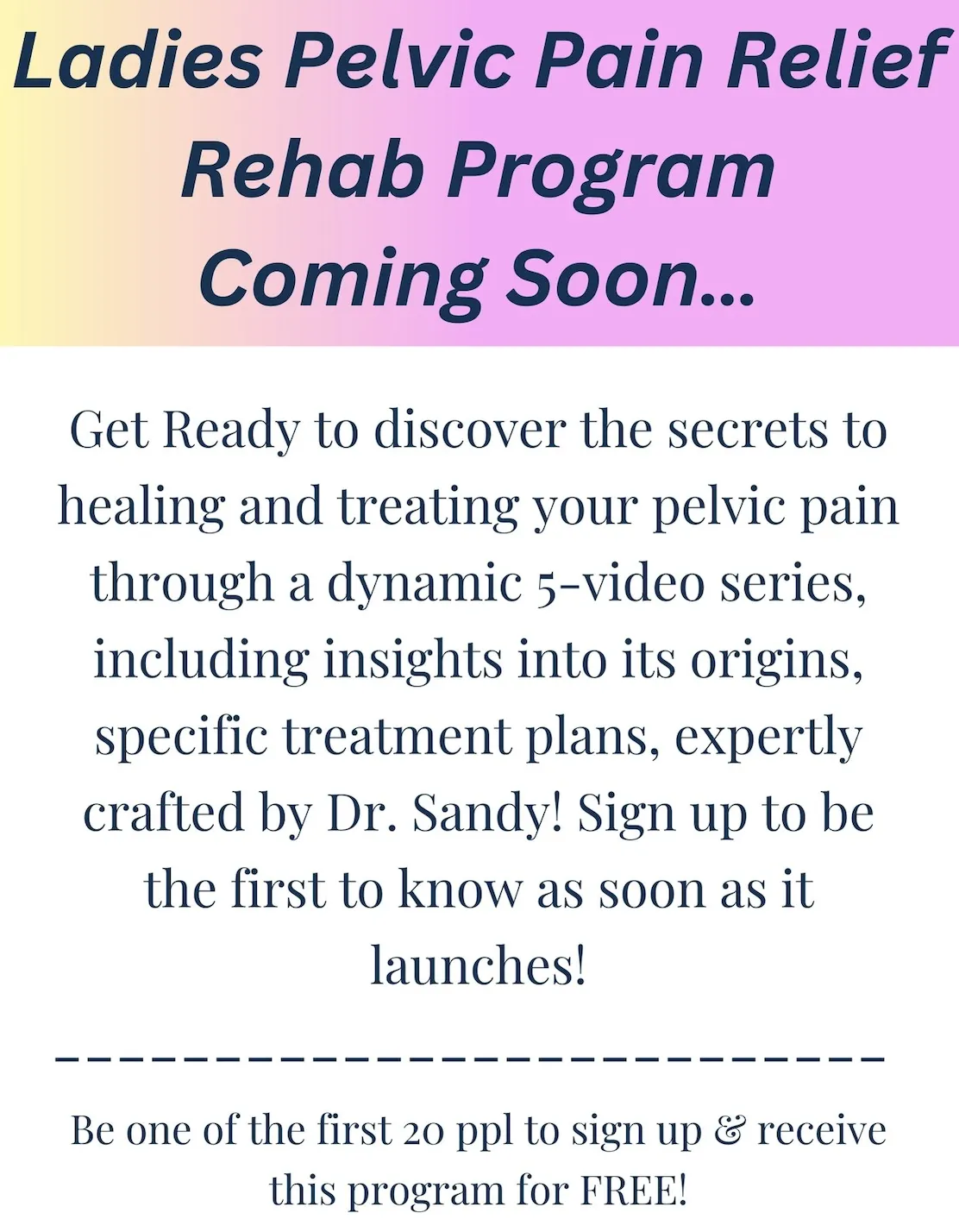
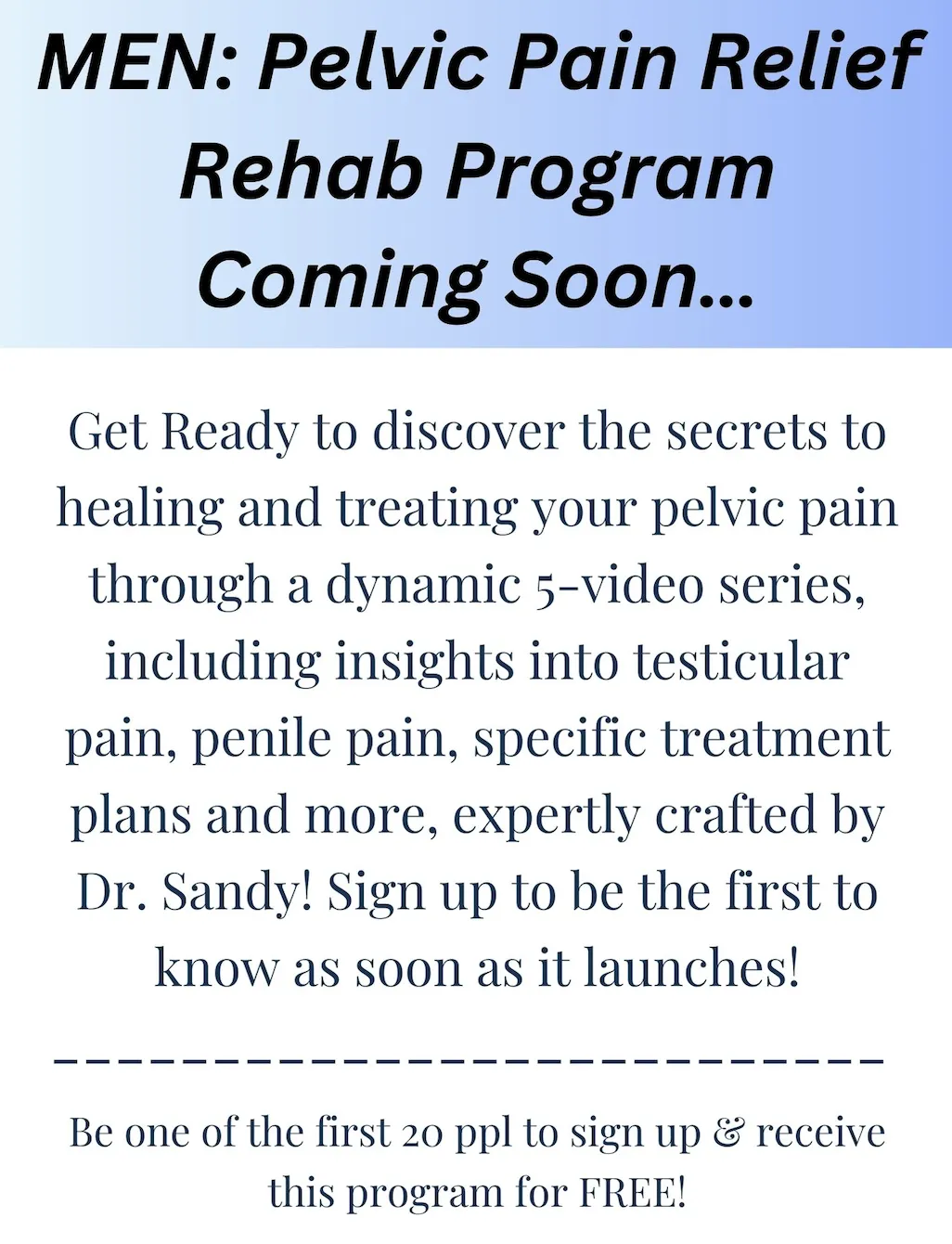


Curious about what it's like to work with a Physical Therapist, but unsure of the best starting point? Delve into our blog posts or connect with us on social media below to gain deeper insights!
Quick Links
Specialized Physical Therapy
Jaw Dysfunctions (TMD/TMJ)
Jaw Clicking
Jaw Pain & Headaches
Pelvic Dysfunctions
Pelvic Floor Tension
Incontinence (leaking)
Postpartum Recovery
Testicular Pain
Orthopedic Conditions
Low back Pain
Knee pain
Ankle sprains
Neck Pain
Post-surgery recovery
Copyright 2023 . All rights reserved

Instagram
Youtube
LinkedIn