
Specialized Care For Pelvic Health & Jaw Dysfunctions
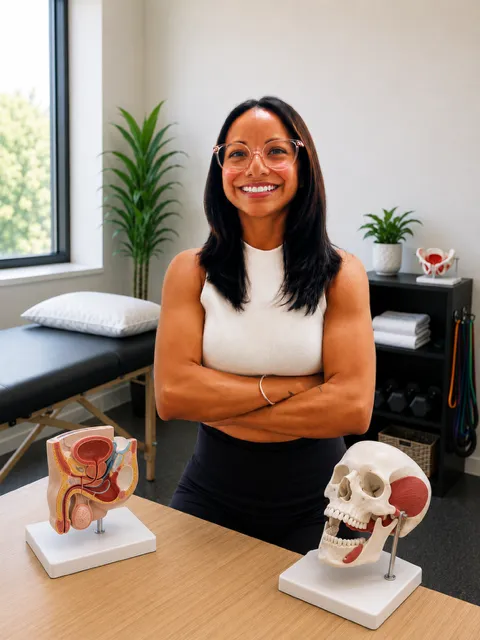
Sandy Shulca, PT, DPT
Doctor of Physical Therapy
Most People Ignore The Signs Until
Their Body Starts Losing Control
Ever Feel Like Pain Is Holding You Back From The Life You Deserve?
The jaw tension. The pelvic pain. The pressure. The headaches. The tightness. The stress your body never fully lets go of.
Dr. Sandy Shulca, PT, DPT helps men and women better understand their body through evidence-based education, online programs, and practical strategies for pelvic health, jaw dysfunction, movement, recovery, confidence, and control.
Whether you’re dealing with pelvic pain, performance concerns, leaking, TMJ dysfunction, headaches, clenching, hip tightness, or chronic tension, this site was created to help you better understand what may actually be happening inside your body and what you can start doing about it.
Start by exploring the free guides, educational blog posts, YouTube videos, and upcoming online programs designed to help you regain confidence, comfort, and control.
You are not broken. Your body is capable of change when you understand how the system actually works.
What Clients Are Saying:
Blogs By Dr. Sandy Shulca, PT, DPT

Testicular or Groin Pain? Here’s What’s Actually Causing It
“Pain in the testicles or groin does not automatically mean something dangerous or permanent.” — Dr. Sandy Shulca, DPT
Testicular and groin pain can be one of the most stressful symptoms a man experiences. The moment pain appears in that area, many men immediately assume something is seriously wrong. Some worry about permanent damage, fertility issues, hernias, or conditions that feel frightening just to think about. That reaction is completely understandable.
But one of the most important things I want men to understand is this: pain in the testicles or groin DOES NOT automatically mean the testicles themselves are damaged. In many cases, the source of the pain is not even coming from the testicle at all.
Pain Location Does Not Always Equal Problem Location
One of the biggest misunderstandings about pain is assuming the location of the pain is always the location of the problem. The body does not always work that way.
A good way to think about this is like a warning light on your car dashboard. The light itself is not the actual issue, it is simply alerting you that something deeper in the system needs attention. The pelvis behaves similarly. Muscles, nerves, connective tissue, and joints can all refer pain into the groin or testicles even when the structures themselves are healthy.
This is one reason many men end up feeling frustrated after undergoing testing. They may have normal ultrasounds, MRIs, CT scans, or bloodwork, yet they still experience aching, pulling, burning, heaviness, or sharp pain in the groin. When scans show “nothing abnormal,” many men begin questioning themselves or wondering if the pain is somehow “in their head.”
But pain can absolutely exist without major structural damage, especially when muscles and nerves become overprotective or poorly coordinated.
The Pelvic Floor and Groin Pain Connection
The testicles are not isolated structures simply floating on their own. They are connected to a much larger system involving the pelvic floor muscles, deep hip muscles, connective tissue, abdominal muscles, and nerves that travel from the lower spine into the pelvis.
When these muscles become tight, guarded, or irritated, they can pull on surrounding tissue, compress sensitive nerves, alter pressure, and create symptoms that feel like they are directly coming from the testicles themselves.
This is why many men continue experiencing pain despite “normal” imaging. Scans are excellent for identifying major structural problems, but they often cannot show chronic muscle tension, poor coordination, nervous system sensitivity, or subtle nerve irritation caused by tight surrounding tissues.
Research continues to show that many men with chronic testicular pain have no major structural pathology found on imaging. These are often the men who are told everything looks “normal” even though their symptoms are very real.
Why Stress, Sitting, and Tension Matter
I commonly see groin and testicular pain in men who sit for long hours, train intensely in the gym, spend long periods driving, or work under high stress. Over time, the body can become stuck in a pattern of chronic muscle guarding.
Many men are clenching their pelvic floor without even realizing it.
Stress alone can significantly increase muscle tension and nervous system sensitivity, especially in the pelvis. Sitting for long periods also increases pressure through the pelvic floor and surrounding nerves. Fatigue can reduce coordination, which often makes symptoms flare up even more.
One of the biggest clues that the problem is functional rather than structural is symptom fluctuation. Men often tell me things like:
“Some days it barely bothers me.”
“Sitting makes it worse.”
“Stress flares it up.”
“It changes throughout the day.”
That pattern matters.
Structural injuries are usually more constant, while functional pain often changes depending on posture, stress levels, breathing patterns, muscle tension, activity levels, and nervous system sensitivity.
Why “Pushing Through It” Often Makes Things Worse
A lot of men respond to pain by stretching aggressively, foam rolling hard, or trying to force themselves through discomfort. Unfortunately, when the nervous system already feels threatened, adding more force can sometimes increase guarding even more.
The body tends to respond better when the system first feels safe.
This is why calming the nervous system and reducing muscle guarding is often the first step before strengthening or more advanced rehabilitation becomes effective.
The goal is not to attack the body.
The goal is to restore balance and coordination within the system.
One Simple Strategy That May Help
One simple strategy that may help some men is gentle external muscle massage to reduce guarding. And to be clear, this is not anything sexual.
Under the testicles and between the sit bones are layers of muscles and connective tissue that can remain chronically tight and overprotective. Gentle pressure combined with slow breathing can sometimes help relax these tissues and calm the nervous system.
The key is keeping the pressure light and comfortable. Sharp pain is never the goal. Think about the amount of pressure you would comfortably use on a sore forearm muscle, not deep aggressive force.
A helpful way to think about it is similar to loosening a tight jaw or neck muscle. When muscles stay clenched for long periods of time, they can become sensitive, irritated, and painful. The pelvis is no different.
Sometimes the first step is simply lowering the volume of the system so the body can begin responding normally again.
What Actually Helps Long-Term
Long-term improvement usually comes from restoring balance within the body rather than forcing symptoms away.
The most effective rehab approaches often focus on:
Calming the nervous system
Reducing muscle guarding
Improving breathing and coordination
Restoring normal movement patterns
Building strength and endurance gradually
The order matters.
Trying to strengthen muscles that are already overactive and guarded can sometimes worsen symptoms instead of improving them.
The body usually responds best when you first create safety, relaxation, and coordination before building more intensity.
Final Thoughts
If you are dealing with testicular or groin pain, it does not automatically mean something is permanently damaged or wrong with your masculinity.
In many cases, your body is simply stuck in a pattern of tension, guarding, irritation, and poor coordination. These patterns are very real, but they are also very treatable.
You are not broken. Your body is capable of adapting, calming down, and relearning healthier movement and muscle patterns with the right approach.
I’m Dr. Sandy, DPT your pelvic health and jaw physical therapy specialist. If this helped you understand your body better, keep learning, keep asking questions, and remember, just because nobody explained it before does not mean your symptoms are not real.
Research & Sources

Pricing Table

Physical Therapy
Orthopedics
$200
Experience a thorough orthopedic movement screening inclusive of functional movements, manual techniques and tailored treatment plan to help achieve your goals
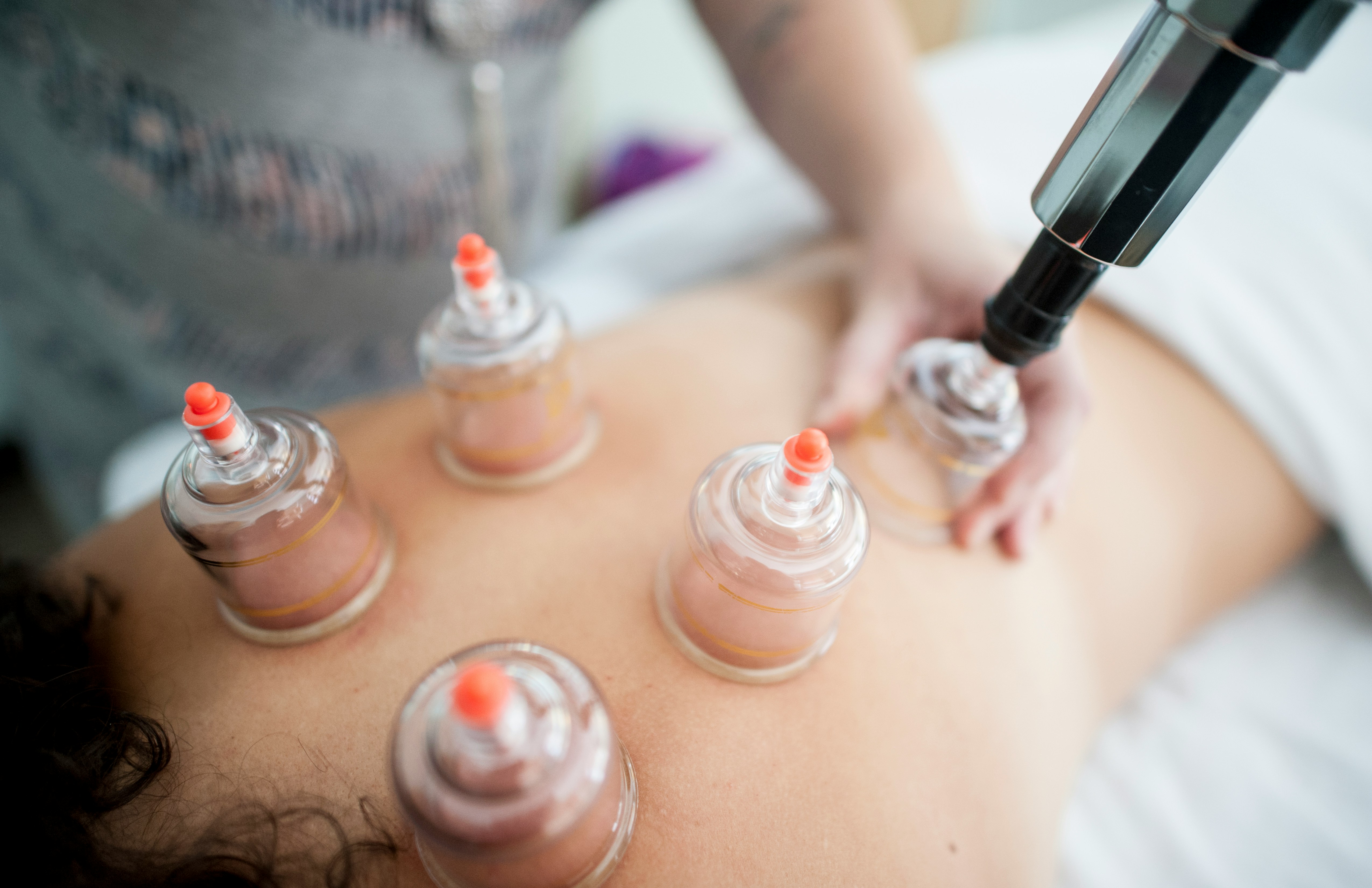
Wellness Services
$97
Click on the "Services & Pricing" tab to see all services provided

Physical Therapy
Pelvic Floor
$200
Experience a thorough pelvic health screening inclusive of manual techniques, functional movements, and tailored treatment plan to help achieve your goals
Online Programs Coming Soon!




Curious about what it's like to work with a Physical Therapist, but unsure of the best starting point? Delve into our blog posts or connect with us on social media below to gain deeper insights!
Quick Links
Specialized Physical Therapy
Jaw Dysfunctions (TMD/TMJ)
Jaw Clicking
Jaw Pain & Headaches
Pelvic Dysfunctions
Pelvic Floor Tension
Incontinence (leaking)
Postpartum Recovery
Testicular Pain
Orthopedic Conditions
Low back Pain
Knee pain
Ankle sprains
Neck Pain
Post-surgery recovery
Copyright 2023 . All rights reserved

Instagram
Youtube
LinkedIn