Specialized Care For Pelvic Health & Jaw Dysfunctions
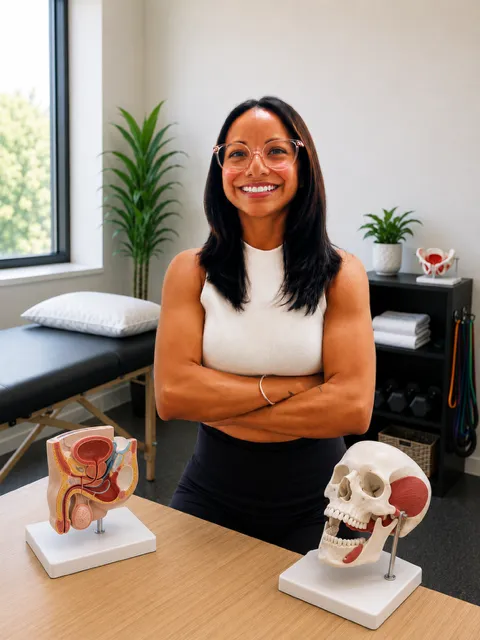
Sandy Shulca, PT, DPT
Doctor of Physical Therapy
Most People Ignore The Signs Until
Their Body Starts Losing Control
Ever Feel Like Pain Is Holding You Back From The Life You Deserve?
The jaw tension. The pelvic pain. The pressure. The headaches. The tightness. The stress your body never fully lets go of.
Dr. Sandy Shulca, PT, DPT helps men and women better understand their body through evidence-based education, online programs, and practical strategies for pelvic health, jaw dysfunction, movement, recovery, confidence, and control.
Whether you’re dealing with pelvic pain, performance concerns, leaking, TMJ dysfunction, headaches, clenching, hip tightness, or chronic tension, this site was created to help you better understand what may actually be happening inside your body and what you can start doing about it.
Start by exploring the free guides, educational blog posts, YouTube videos, and upcoming online programs designed to help you regain confidence, comfort, and control.
You are not broken. Your body is capable of change when you understand how the system actually works.
What Clients Are Saying:
Blogs By Dr. Sandy Shulca, PT, DPT

When Can You REALLY Start Exercising After Having a Baby?
You had your baby, you're starting to feel a little more like yourself, and now you're wondering the question almost every active mom eventually asks: When can I actually start working out again?
Maybe you've heard six weeks. Maybe someone told you to wait until your postpartum appointment. Or maybe you already took a walk around the block, felt pretty good, and thought, Okay…can I just go back to the gym now?
Is Six Weeks Really the Magic Number?
Here's the thing: six weeks isn't a magical finish line.Your body doesn't wake up at six weeks postpartum and suddenly says, Great! Pelvic floor healed. Core ready. Let's go run three miles.
And surprisingly, you don't necessarily have to wait six weeks to start moving either. For women who had a healthy pregnancy and an uncomplicated vaginal delivery, ACOG says some physical activity can often begin within days of giving birth, or whenever you feel ready.That doesn't mean you're heading straight back to HIIT class. Early movement might simply mean short walks, gentle mobility, breathing exercises, and slowly reconnecting with your core and pelvic floor. If you had a C-section or complications during pregnancy or delivery, your timeline may look different, which is why your individual recovery matters so much.
Your Body Just Did Something HUGE
For months, your abdominal muscles stretched, your pelvic floor handled increasing pressure, your posture changed, and your entire body adapted around a growing baby. Then you either delivered vaginally or had major abdominal surgery. So even if you feel pretty good, there's still a lot happening behind the scenes.
This is also why being "cleared for exercise" doesn't necessarily mean you're ready for every exercise.You could be cleared at your postpartum appointment, lace up your running shoes, start jogging…and suddenly notice leaking. Or pressure down there. Or heaviness. Or maybe running just feels completely different than it used to.
That's your body giving you information.
The Calendar Doesn't Tell the Whole Story
Researchers are starting to look at postpartum exercise in exactly that way. Recent expert recommendations for returning to running after having a baby emphasize that there shouldn't be one magic week when every woman is suddenly ready. A 2024 international consensus study recommends an individualized and gradual return to running. Your strength, symptoms, previous activity level, pelvic health, and how your body handles increasing impact all matter.
Two women can both be 6 weeks postpartum and have completely different bodies. One might comfortably walk, squat, lift weights, and begin a gradual walk-run program, while the other might still experience leaking, pelvic heaviness, pain, or discomfort after a longer walk. Neither woman is necessarily "behind." They're simply recovering differently.
Leaking and Heaviness? Don't Ignore It
Here's another thing I wish more women knew: symptoms DO NOT always mean you need to stop exercising completely. If jumping makes you leak, maybe jumping isn't where you start. If running causes pelvic pressure, maybe you build up your walking tolerance and strength first. If lifting something heavy makes you feel like your pelvic floor is going to fall onto the floor with the dumbbell…that's probably worth paying attention to.
You can modify, rebuild, and progress.
This is where pelvic floor training can actually make a difference. Research involving thousands of postpartum women has found that pelvic floor muscle training can help reduce the likelihood of urinary leakage and pelvic organ prolapse. But that doesn't mean doing 100 Kegels while brushing your teeth.
Your pelvic floor has to work together with your breathing, abdominal muscles, hips, and the rest of your body. It needs to know what to do when you squat, lift, run, jump, cough, sneeze, or carry a baby on one hip while somehow holding a diaper bag, water bottle, phone, and coffee in the other hand. Honestly, carrying a baby around all day deserves to count as strength training.
Think Dimmer Switch, Not On/Off Switch
Instead of thinking about postpartum exercise like an on/off switch, think about it like a dimmer. You slowly turn it up.
Maybe you start with a 10-minute walk, then 20 minutes. Then you add some strengthening, followed by more resistance. Eventually, you might add jumping, jogging, heavier lifting, or whatever activity you're trying to return to.
And pay attention to what happens along the way. Are you leaking? Feeling pelvic pressure or heaviness? Having pain? Noticing symptoms that get worse during or after exercise? Those are signs that your body may need a little more time, a modification, or some help figuring out what's going on.
So…When Can You REALLY Start Exercising?
For many women, gentle movement can start much earlier than six weeks. Returning to harder workouts, running, jumping, and heavier lifting should happen gradually based on your recovery, symptoms, and how your body responds.
The goal after having a baby shouldn't be to see how quickly you can get your old body back. It's to help your body become strong and confident enough to do the things you love again.
Instead of only asking,"How many weeks postpartum am I?" try asking,"What is my body ready for right now?"
Because six weeks isn't a magic number, and sometimes the fastest way back to the workouts you love is actually taking the time to build your way back to them.
—Dr. Sandy Shulca, PT, DPT
Pelvic Health & TMJ Physical Therapist
This blog is for educational purposes and does not replace individualized medical evaluation or treatment.



Pricing Table

Physical Therapy
Orthopedics
$200
Experience a thorough orthopedic movement screening inclusive of functional movements, manual techniques and tailored treatment plan to help achieve your goals
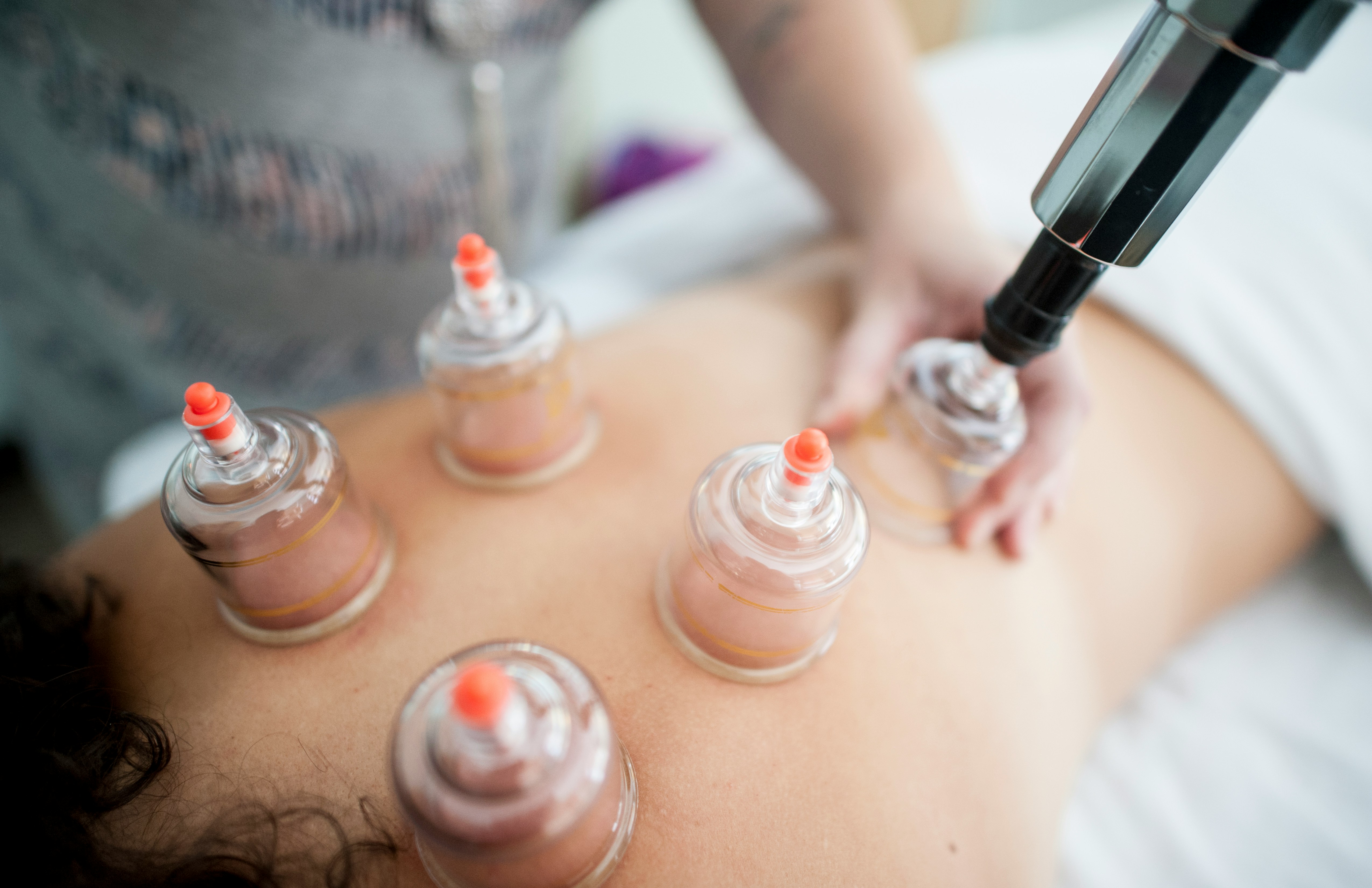
Wellness Services
$97
Click on the "Services & Pricing" tab to see all services provided

Physical Therapy
Pelvic Floor
$200
Experience a thorough pelvic health screening inclusive of manual techniques, functional movements, and tailored treatment plan to help achieve your goals
Online Programs Coming Soon!
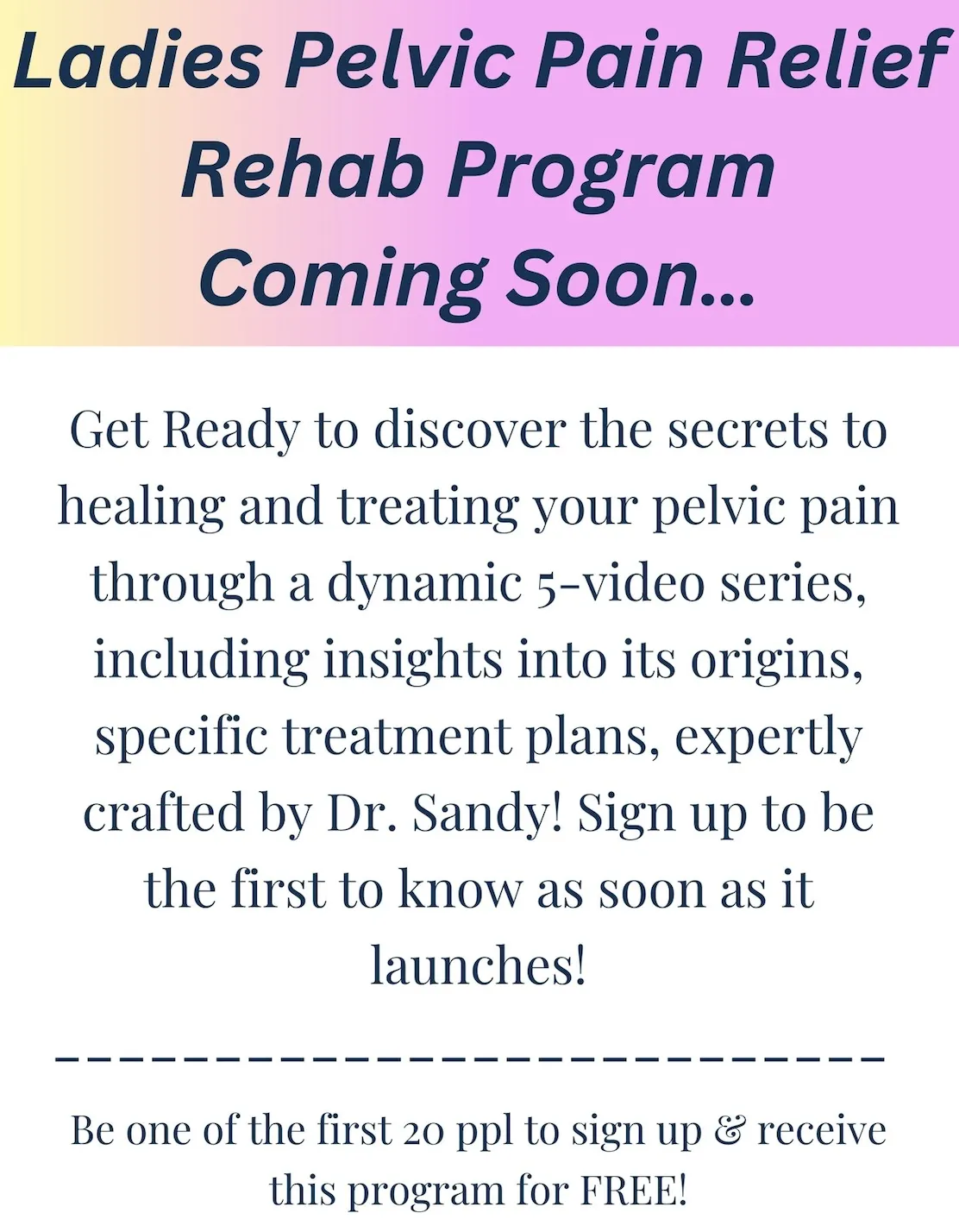
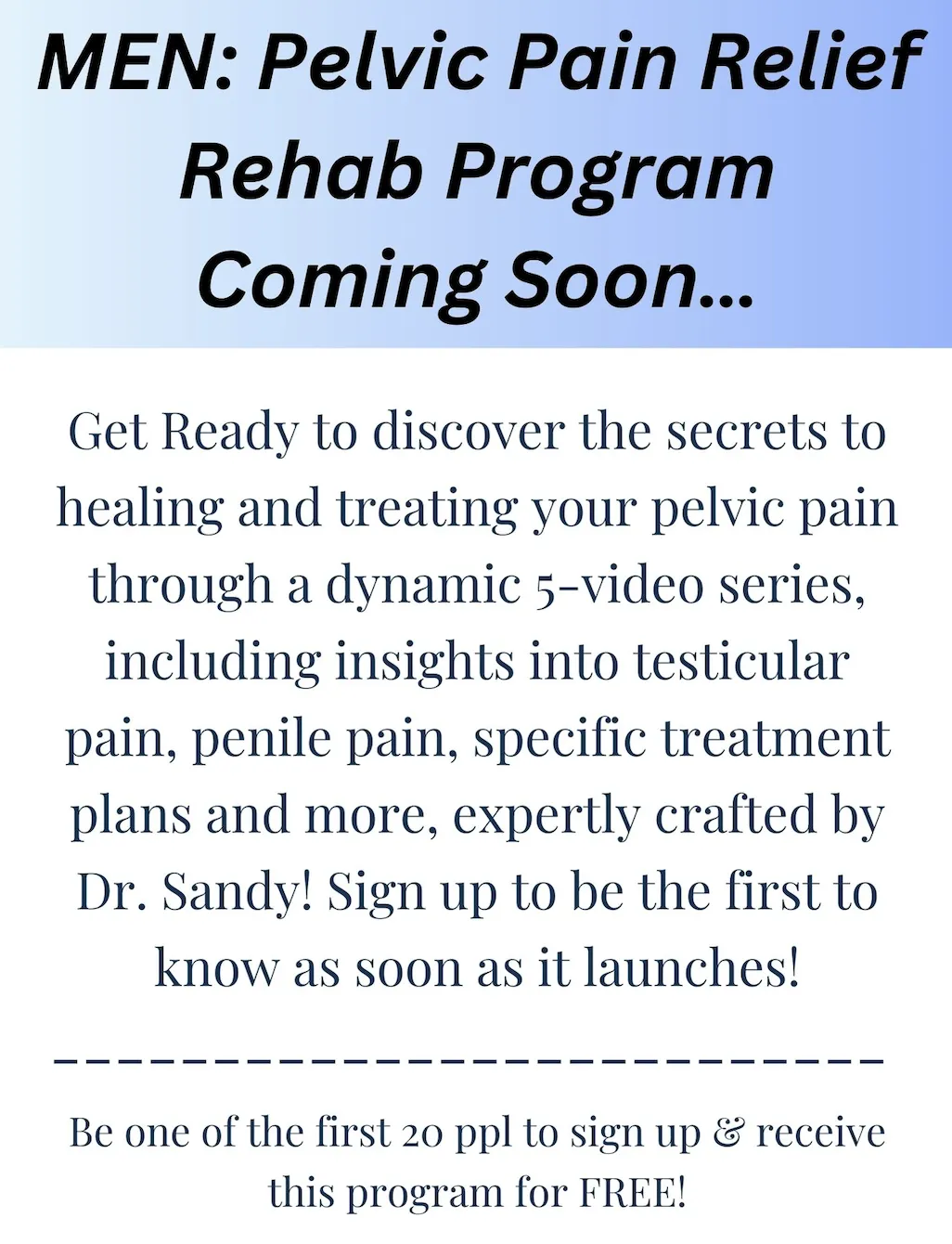
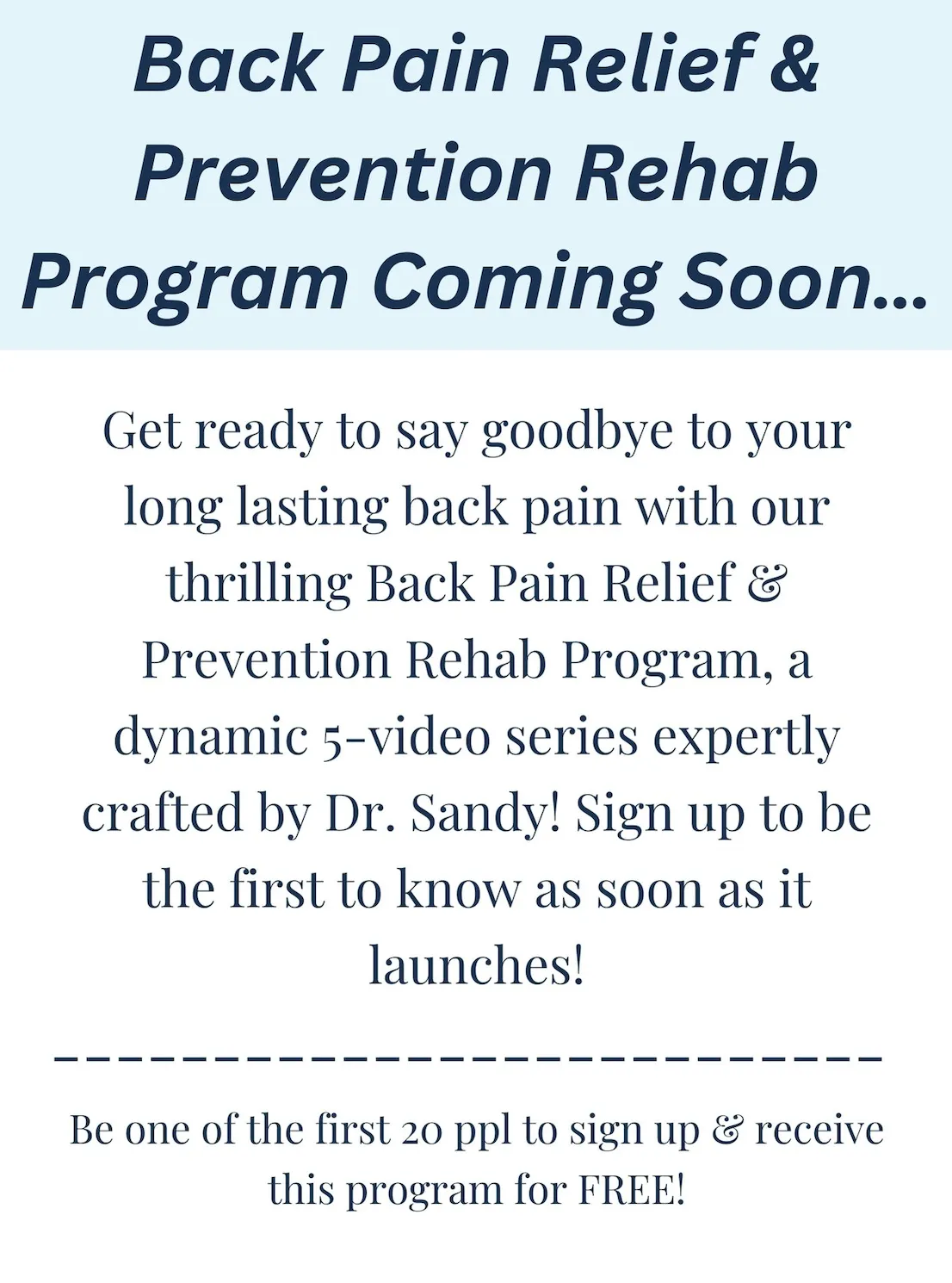

Curious about what it's like to work with a Physical Therapist, but unsure of the best starting point? Delve into our blog posts or connect with us on social media below to gain deeper insights!
Quick Links
Specialized Physical Therapy
Jaw Dysfunctions (TMD/TMJ)
Jaw Clicking
Jaw Pain & Headaches
Pelvic Dysfunctions
Pelvic Floor Tension
Incontinence (leaking)
Postpartum Recovery
Testicular Pain
Orthopedic Conditions
Low back Pain
Knee pain
Ankle sprains
Neck Pain
Post-surgery recovery
Copyright 2023 . All rights reserved

Instagram
Youtube
LinkedIn