Specialized Care For Pelvic Health & Jaw Dysfunctions
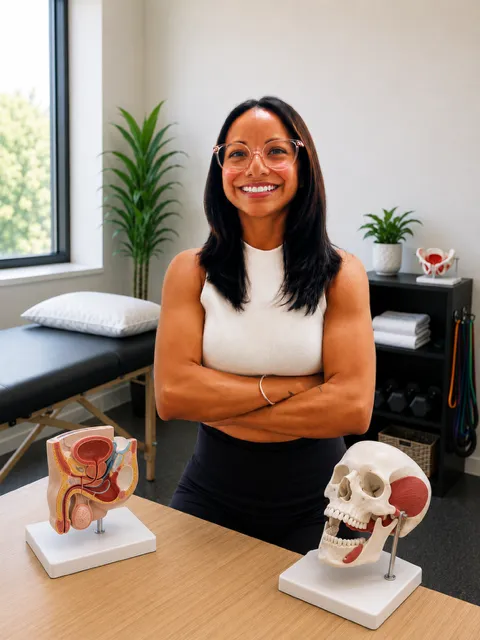
Sandy Shulca, PT, DPT
Doctor of Physical Therapy
Most People Ignore The Signs Until
Their Body Starts Losing Control
Ever Feel Like Pain Is Holding You Back From The Life You Deserve?
The jaw tension. The pelvic pain. The pressure. The headaches. The tightness. The stress your body never fully lets go of.
Dr. Sandy Shulca, PT, DPT helps men and women better understand their body through evidence-based education, online programs, and practical strategies for pelvic health, jaw dysfunction, movement, recovery, confidence, and control.
Whether you’re dealing with pelvic pain, performance concerns, leaking, TMJ dysfunction, headaches, clenching, hip tightness, or chronic tension, this site was created to help you better understand what may actually be happening inside your body and what you can start doing about it.
Start by exploring the free guides, educational blog posts, YouTube videos, and upcoming online programs designed to help you regain confidence, comfort, and control.
You are not broken. Your body is capable of change when you understand how the system actually works.
What Clients Are Saying:
Blogs By Dr. Sandy Shulca, PT, DPT
Why Does My Jaw Hurt If Nothing Is Wrong With My Teeth?
You went to the dentist because your jaw has been aching. Maybe it hurts when you chew, feels sore near your ear, or wakes you up with a headache.
The dentist checks everything and says, “Your teeth look fine.”
Great news, but then why does your jaw still hurt?
The answer may have nothing to do with your teeth. Your pain could be coming from your jaw joint, chewing muscles, neck, or even habits you do without realizing it.
Your Jaw Muscles May Be Working Overtime
Think about how often you use your jaw. You use it to talk, chew, yawn, laugh, swallow, and make facial expressions. Now add clenching.
You may clench your teeth while working, driving, exercising, concentrating, or scrolling through your phone. Many people do not even realize they are doing it. Others grind or tighten their jaw while sleeping.
Your jaw muscles are small, but they can become tired and sore just like any other muscle. If you held a fist tightly closed for hours, your hand would probably hurt. Your jaw is no different.
A helpful reminder is: Lips together. Teeth apart. Jaw relaxed.
The Pain Can Feel Like a Toothache
The muscles around your jaw can send pain into your cheek, temple, ear, and even your teeth. This is called referred pain.
That means you may feel pain in a tooth even when the tooth itself is healthy. It can explain why dental X-rays look normal even though the discomfort feels very real.
The National Institute of Dental and Craniofacial Research explains that temporomandibular disorders, or TMD, include more than 30 conditions that can affect the jaw joints, chewing muscles, and related headaches.
So yes, your teeth can be perfectly fine while the muscles around them are asking for help.
Your Neck May Be Joining the Party
Your jaw and neck are close neighbors, and they influence one another.
If you spend hours leaning toward a computer, looking down at your phone, or carrying tension in your shoulders, the muscles around your neck and jaw may become stiff or sensitive.
Sometimes treating only the jaw misses part of the problem. A complete TMJ evaluation should also look at neck movement, posture, breathing, muscle tension, and daily habits.
Stress Can Show Up in Your Jaw
Some people carry stress in their shoulders. Others carry it directly between their teeth.
Stress may cause you to clench more often, sleep poorly, tense your face, or become more sensitive to pain. That does not mean the pain is imaginary. The muscle tension and discomfort are real.
Research suggests that TMD can be influenced by a combination of physical factors, stress, sleep, genetics, and the way the nervous system processes pain. There is not always one single cause.
Is Clicking or Popping Bad?
Not necessarily.
A painless click or pop is common and usually does not need treatment. But if the sound comes with pain, swelling, locking, or difficulty opening your mouth, it is worth getting evaluated.
The goal is not always to make the jaw completely silent. The goal is to help you eat, speak, yawn, and live without pain or fear.
What Can Help?
The good news is that many jaw problems improve with conservative treatment.
A 2023 evidence-based clinical guideline supports treatments such as supervised jaw exercises, stretching, postural exercises, joint mobilization, manual trigger-point treatment, education, and home exercises for chronic TMD pain.
A physical therapist trained in TMJ treatment can examine how your jaw opens, how your neck moves, which muscles are sensitive, and what habits may be keeping the area irritated.
Treatment may include gentle hands-on techniques, jaw coordination exercises, neck mobility work, relaxation strategies, and simple changes to reduce clenching throughout the day.
Your Pain Is Real: Even If Your Teeth Look Fine
Hearing that nothing is wrong with your teeth does not mean nothing is causing your pain.
Your jaw joint, chewing muscles, neck, clenching habits, sleep, and stress may all be contributing. Your teeth are only one piece of the puzzle.
Sometimes the next step is not another look at the teeth, it is a closer look at how the entire jaw system is working.
—Dr. Sandy Shulca, PT, DPT
Pelvic Health & TMJ Physical Therapist
This blog is for educational purposes and does not replace individualized medical evaluation or treatment.



Pricing Table

Physical Therapy
Orthopedics
$200
Experience a thorough orthopedic movement screening inclusive of functional movements, manual techniques and tailored treatment plan to help achieve your goals
Wellness Services
$97
Click on the "Services & Pricing" tab to see all services provided

Physical Therapy
Pelvic Floor
$200
Experience a thorough pelvic health screening inclusive of manual techniques, functional movements, and tailored treatment plan to help achieve your goals
Online Programs Coming Soon!
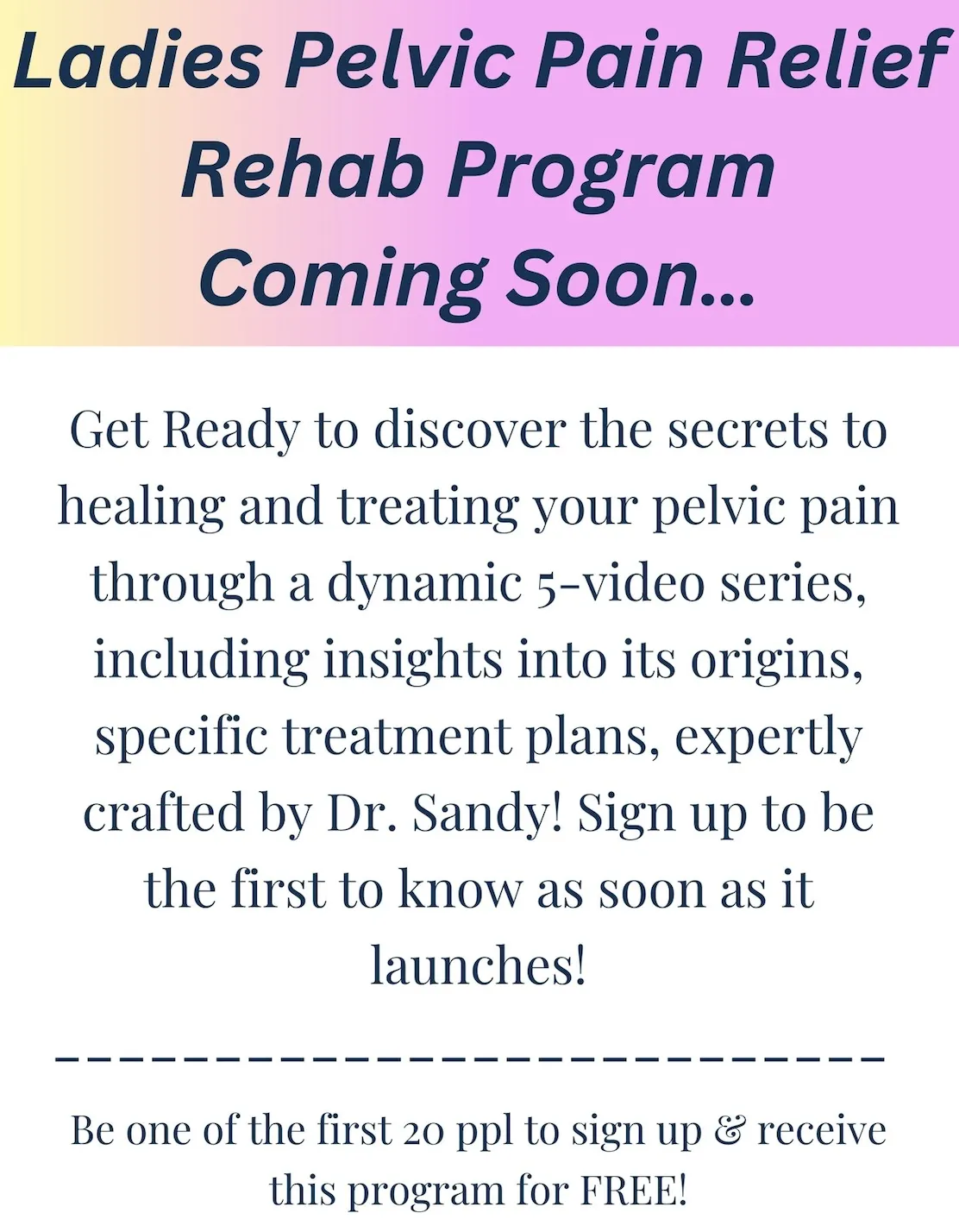
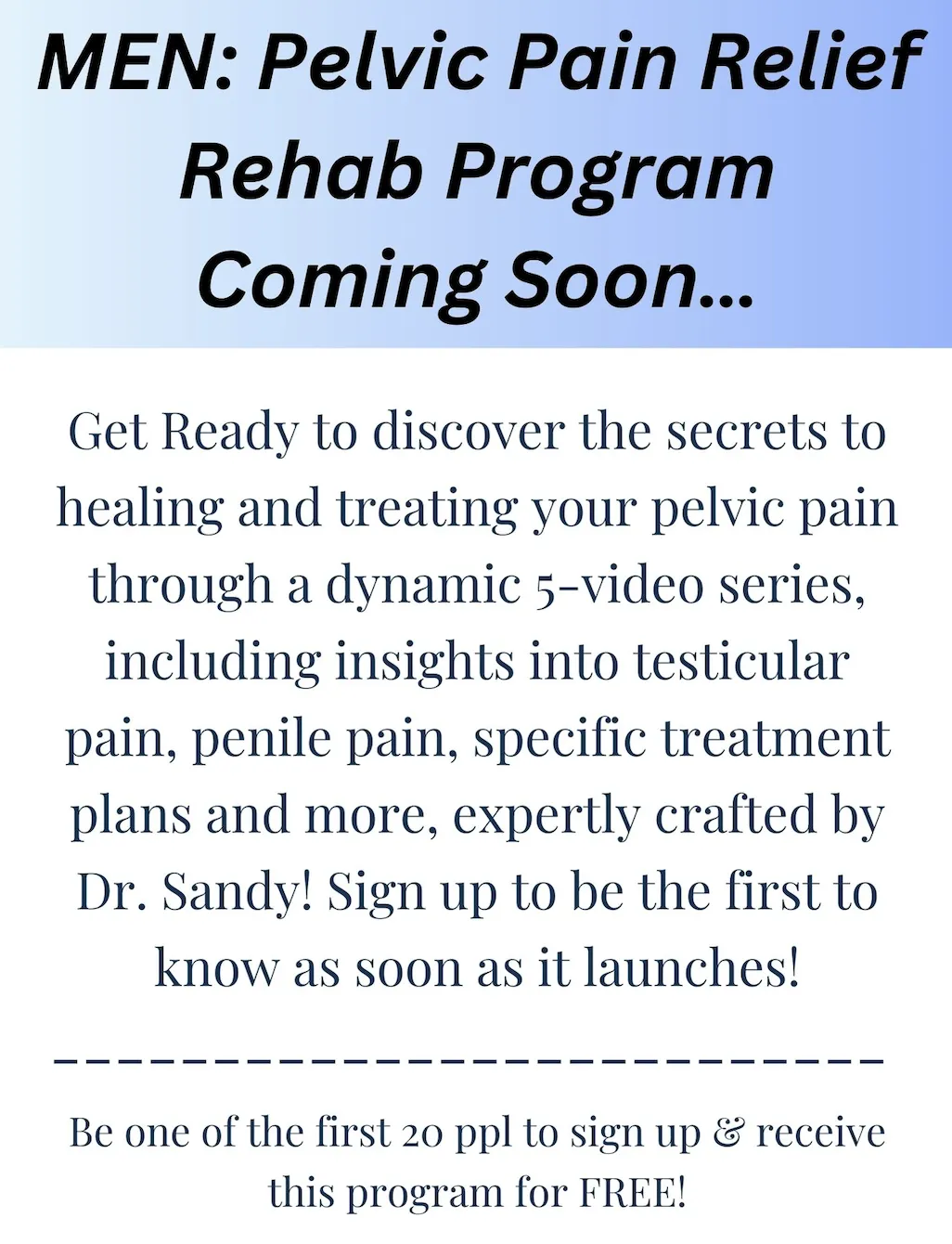
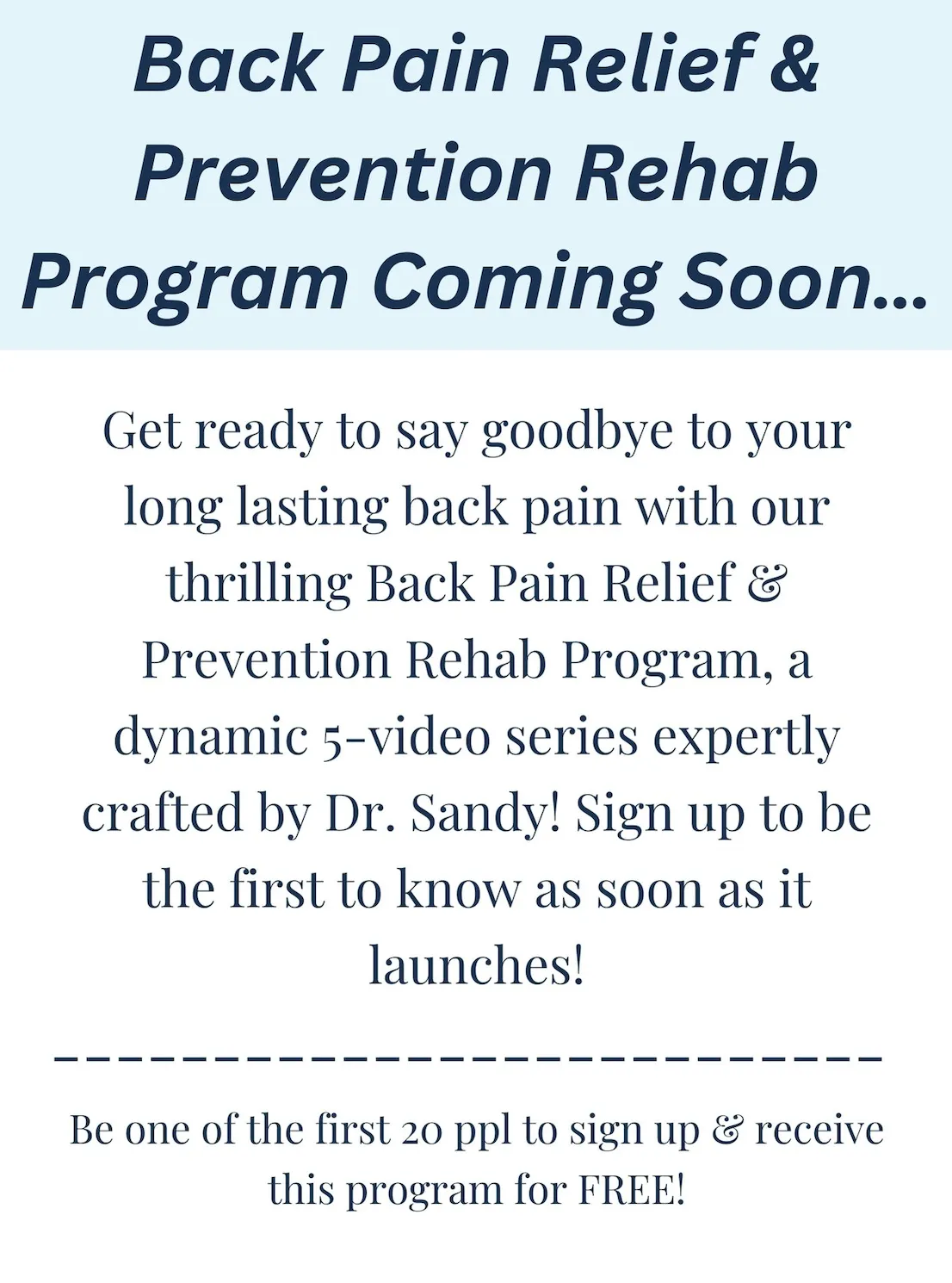

Curious about what it's like to work with a Physical Therapist, but unsure of the best starting point? Delve into our blog posts or connect with us on social media below to gain deeper insights!
Quick Links
Specialized Physical Therapy
Jaw Dysfunctions (TMD/TMJ)
Jaw Clicking
Jaw Pain & Headaches
Pelvic Dysfunctions
Pelvic Floor Tension
Incontinence (leaking)
Postpartum Recovery
Testicular Pain
Orthopedic Conditions
Low back Pain
Knee pain
Ankle sprains
Neck Pain
Post-surgery recovery
Copyright 2023 . All rights reserved
Instagram
Youtube
LinkedIn