
Specialized Care For Pelvic Health & Jaw Dysfunctions
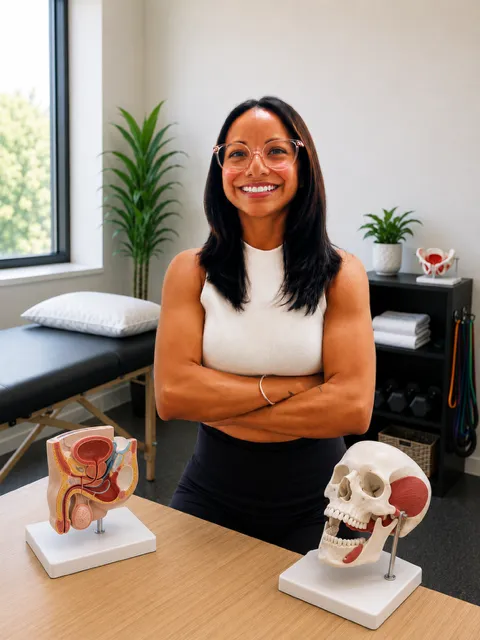
Sandy Shulca, PT, DPT
Doctor of Physical Therapy
Most People Ignore The Signs Until
Their Body Starts Losing Control
Ever Feel Like Pain Is Holding You Back From The Life You Deserve?
The jaw tension. The pelvic pain. The pressure. The headaches. The tightness. The stress your body never fully lets go of.
Dr. Sandy Shulca, PT, DPT helps men and women better understand their body through evidence-based education, online programs, and practical strategies for pelvic health, jaw dysfunction, movement, recovery, confidence, and control.
Whether you’re dealing with pelvic pain, performance concerns, leaking, TMJ dysfunction, headaches, clenching, hip tightness, or chronic tension, this site was created to help you better understand what may actually be happening inside your body and what you can start doing about it.
Start by exploring the free guides, educational blog posts, YouTube videos, and upcoming online programs designed to help you regain confidence, comfort, and control.
You are not broken. Your body is capable of change when you understand how the system actually works.
What Clients Are Saying:
Blogs By Dr. Sandy Shulca, PT, DPT

Why Stretching Alone Doesn’t Fix Pelvic Pain
“A muscle that feels tight is not always a muscle that needs more stretching.” — Dr. Sandy Shulca, DPT
One of the biggest frustrations people with pelvic pain experience is feeling like they are doing everything “right” but still not getting relief.
They stretch constantly.
They foam roll.
They do yoga.
They try mobility routines every day.
Yet the pain, pressure, tightness, or discomfort keeps coming back. And many people start wondering: “If stretching is supposed to help tight muscles… why do I still feel this way?”
The answer is that pelvic pain is often more complex than simply having “short muscles.”
Tight Does Not Always Mean Short
Many people assume tightness automatically means a muscle needs aggressive stretching. But in pelvic pain, the issue is often not true muscle shortening. The muscles are commonly overprotective.
That means the nervous system is keeping the muscles tense because the body feels stressed, threatened, overloaded, irritated, or stuck in a guarding pattern.
A good way to think about it is like someone clenching their jaw during stress. The jaw muscles may feel tight and painful, but aggressively forcing the jaw open usually does not solve the problem if the nervous system still feels tense underneath it all.
The pelvic floor works very similarly.
Why Stretching Alone Can Sometimes Make Symptoms Worse
Stretching a muscle that is already stressed and guarded, without calming the nervous system first, is a lot like yelling at someone who is already overwhelmed.
It does not usually help them relax. It often makes them tense up even more. The same thing can happen with pelvic pain.
When the nervous system is on high alert, aggressive stretching can sometimes increase irritation instead of relief. The body may interpret the stretch as another stressor, causing the muscles to tighten even more afterward.
This is one reason some people feel temporary relief immediately after stretching, only to tighten back up later the same day. The underlying protection pattern was never fully addressed.
Pelvic Pain Is Often a Nervous System Issue Too
The pelvic floor does not function independently from the rest of the body.
It constantly communicates with: the nervous system, breathing muscles, hips, abdomen, posture, stress response systems
When stress levels stay elevated for long periods of time, the body often increases muscle tension automatically.
Many people with pelvic pain unknowingly spend the entire day: clenching, bracing, holding tension, shallow breathing, guarding the pelvis
Over time, the body can get stuck in a cycle where tension becomes the new normal. This is why many people with pelvic pain also describe: anxiety, difficulty relaxing, jaw clenching, neck tension, shallow breathing, chronic stress, feeling “on edge”
The system underneath the muscles often needs calming before the muscles are willing to let go.
What Usually Works Better
Stretching can absolutely be part of recovery.
But it works best when it is part of a bigger plan, not the entire plan.
In many cases, the body responds better to a combination of:
slow breathing
nervous system regulation
relaxation strategies
gentle mobility
posture and pressure awareness
coordination training
gradual strengthening
The goal is not forcing the muscles to relax.
The goal is helping the body feel safe enough to stop guarding.
That is a very different approach.
Why Strength and Coordination Still Matter
Another common mistake is assuming pelvic pain only requires relaxation forever. That is not true either.
The body still needs strength, endurance, pressure control, and coordination. But those things usually work better after excessive guarding and tension start improving first.
Healthy pelvic floor muscles should be able to:
contract when needed
relax when needed
coordinate with breathing
respond efficiently to movement and pressure
That is what real function looks like.
Not constant stretching.
Not constant tension.
Balance.
Final Thoughts
If stretching alone has not fixed your pelvic pain, it does not mean you are failing or doing something wrong.
It may simply mean the body needs more than stretching.
Pelvic pain is often connected to nervous system tension, muscle guarding, breathing patterns, stress, coordination, and pressure management, not just muscle length.
Stretching can absolutely help, but it tends to work best when the nervous system first feels safe enough to let go.
Pelvic pain improves most when stretching becomes part of a larger recovery plan instead of the only plan.
I’m Dr. Sandy, your pelvic health and jaw physical therapy specialist. If this helped you better understand your body, keep learning, keep asking questions, and remember, the goal is not forcing the body to relax. The goal is helping the system feel safe enough to change.



Pricing Table

Physical Therapy
Orthopedics
$200
Experience a thorough orthopedic movement screening inclusive of functional movements, manual techniques and tailored treatment plan to help achieve your goals
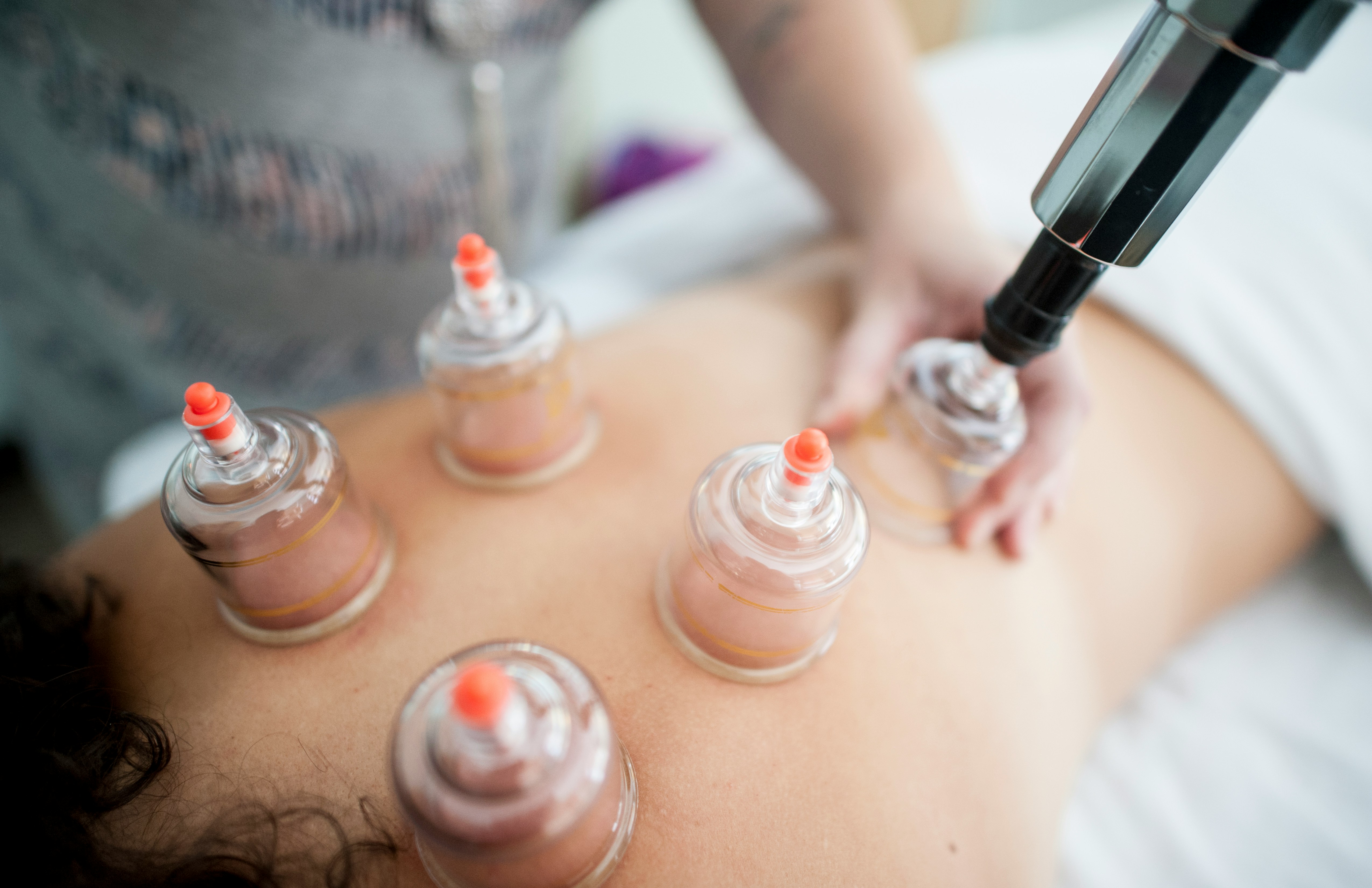
Wellness Services
$97
Click on the "Services & Pricing" tab to see all services provided

Physical Therapy
Pelvic Floor
$200
Experience a thorough pelvic health screening inclusive of manual techniques, functional movements, and tailored treatment plan to help achieve your goals
Online Programs Coming Soon!
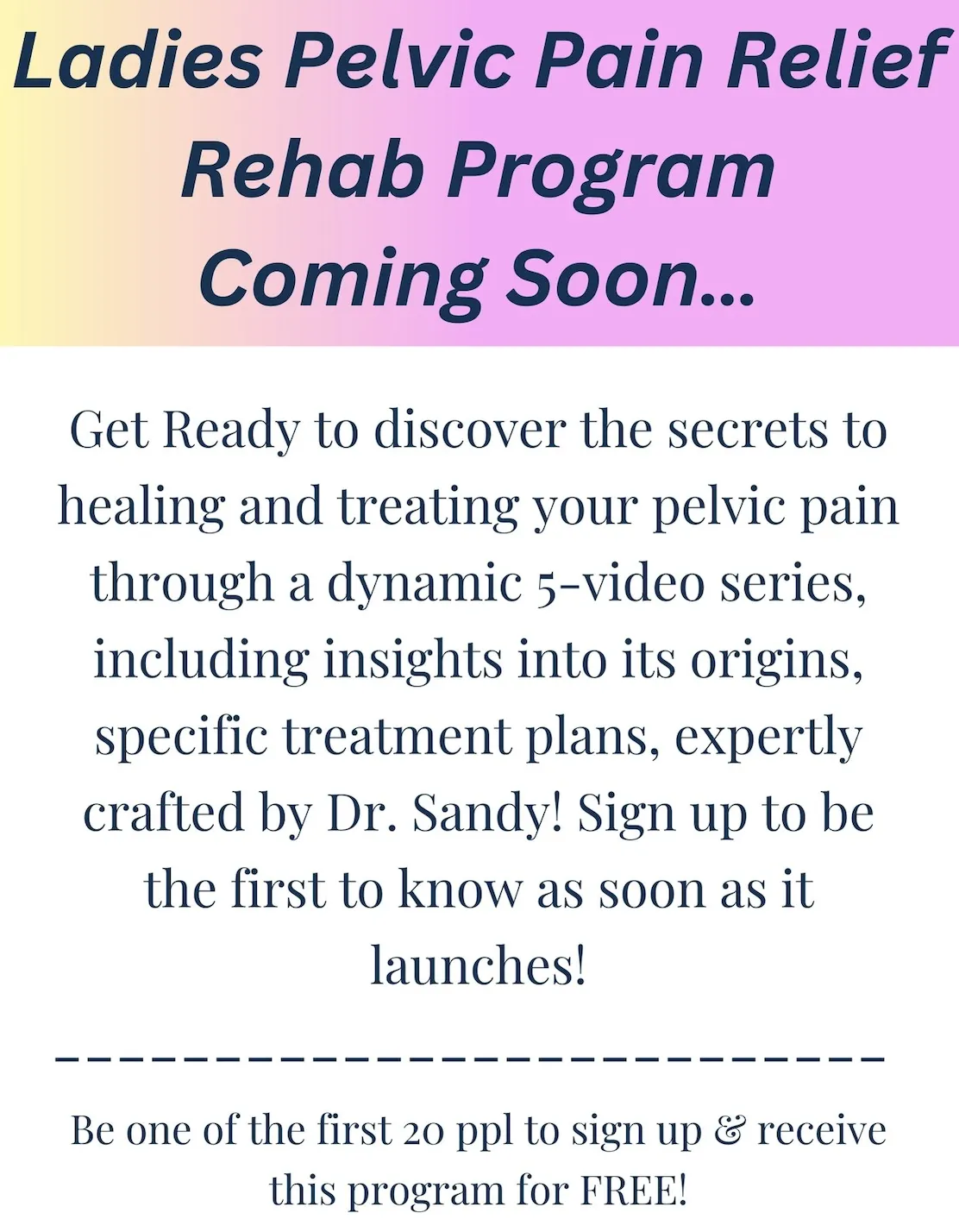

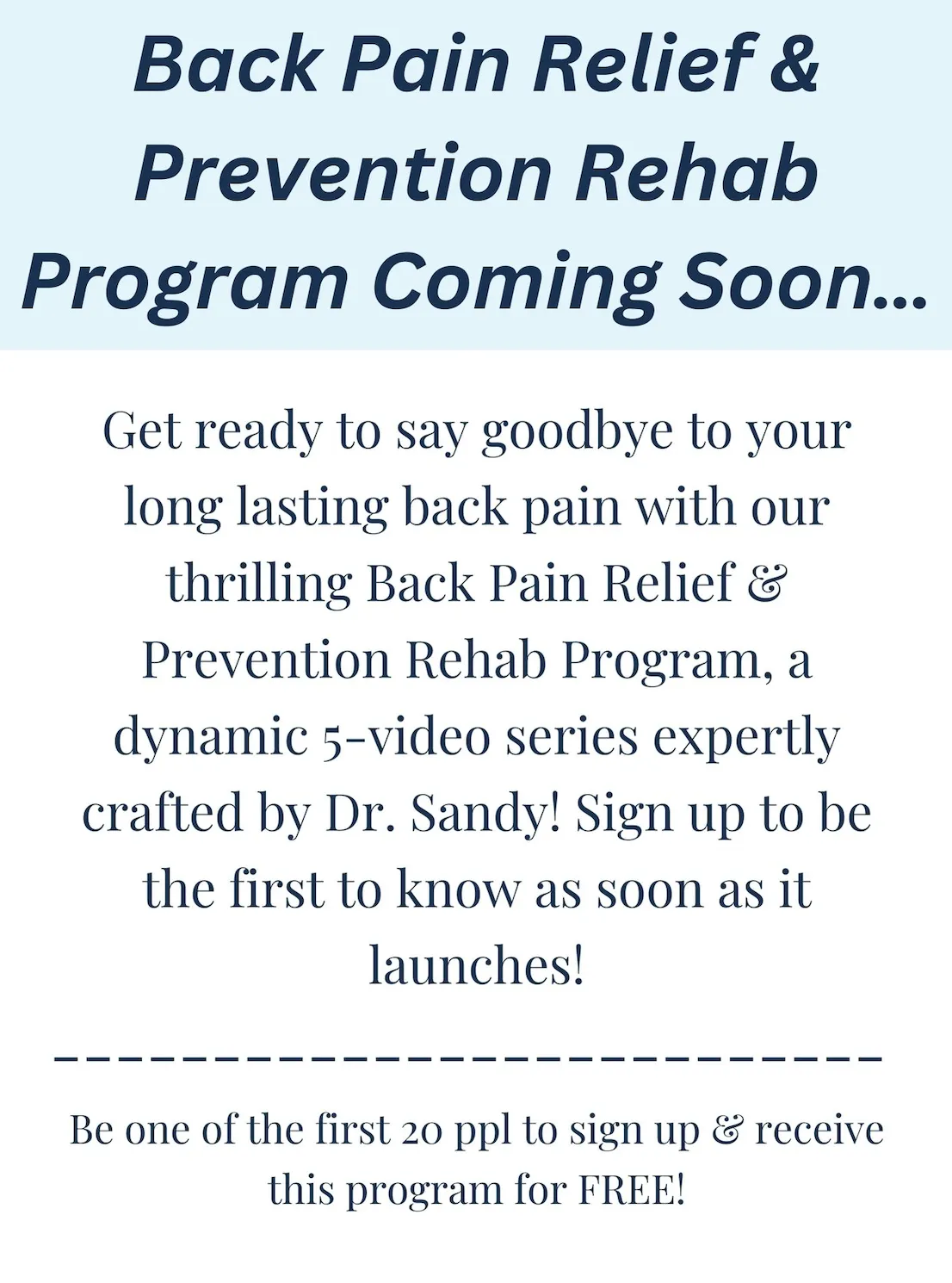

Curious about what it's like to work with a Physical Therapist, but unsure of the best starting point? Delve into our blog posts or connect with us on social media below to gain deeper insights!
Quick Links
Specialized Physical Therapy
Jaw Dysfunctions (TMD/TMJ)
Jaw Clicking
Jaw Pain & Headaches
Pelvic Dysfunctions
Pelvic Floor Tension
Incontinence (leaking)
Postpartum Recovery
Testicular Pain
Orthopedic Conditions
Low back Pain
Knee pain
Ankle sprains
Neck Pain
Post-surgery recovery
Copyright 2023 . All rights reserved

Instagram
Youtube
LinkedIn