
Specialized Care For Pelvic Health & Jaw Dysfunctions

Sandy Shulca, PT, DPT
Doctor of Physical Therapy
Most People Ignore The Signs Until
Their Body Starts Losing Control
Ever Feel Like Pain Is Holding You Back From The Life You Deserve?
The jaw tension. The pelvic pain. The pressure. The headaches. The tightness. The stress your body never fully lets go of.
Dr. Sandy Shulca, PT, DPT helps men and women better understand their body through evidence-based education, online programs, and practical strategies for pelvic health, jaw dysfunction, movement, recovery, confidence, and control.
Whether you’re dealing with pelvic pain, performance concerns, leaking, TMJ dysfunction, headaches, clenching, hip tightness, or chronic tension, this site was created to help you better understand what may actually be happening inside your body and what you can start doing about it.
Start by exploring the free guides, educational blog posts, YouTube videos, and upcoming online programs designed to help you regain confidence, comfort, and control.
You are not broken. Your body is capable of change when you understand how the system actually works.
What Clients Are Saying:
Blogs By Dr. Sandy Shulca, PT, DPT

Male Pelvic Pain Explained: Why You’re Not Broken
“Pain can exist without damage, especially when muscles and nerves become overprotective.” — Dr. Sandy Shulca, DPT
If you’re dealing with pelvic pain, pain in the groin, testicles, penis, tailbone, or lower abdomen, let’s start with something important: YOU ARE NOT BROKEN.
And if your scans, MRIs, CTs, ultrasounds, or lab work keep coming back “normal,” that does NOT mean nothing is wrong. In many cases, it means the issue is more functional than structural.
Male pelvic pain is far more common than most men realize, yet it’s rarely talked about openly. Many men are told they’re “fine,” left frustrated, embarrassed, or stuck searching for answers after months or even years of symptoms.
But here’s the truth:
A lot of male pelvic pain comes from muscle tension, poor coordination, nervous system sensitivity, and pressure management issues — things that can absolutely improve with the right approach.
I’m Dr. Sandy Shulca, DPT, your pelvic health and jaw physical therapy specialist, and today we’re going to break down what male pelvic pain actually is, how the pelvic floor works, how it affects sexual function and endurance, and why recovery is often more possible than people think.
What Is the Male Pelvic Floor?
The male pelvic floor is a group of muscles located at the bottom of the pelvis.
Think of it like a hammock or trampoline stretching between your pubic bone and tailbone.
These muscles play a major role in:
Supporting the bladder and bowels
Wrapping around the base of the penis
Supporting the testicles
Controlling pressure and blood flow during erections
Assisting with ejaculation timing
Helping prevent leaking when coughing, sneezing, lifting, or running
Even though these muscles are rarely discussed, they’re involved in many daily functions that men care deeply about from comfort and confidence to sexual performance and control.
The Pelvic Floor’s Role in Erections and Sexual Performance
There are two important pelvic floor muscles directly involved in male sexual function:
1. Ischiocavernosus Muscle
This muscle helps trap blood inside the penis to maintain an erection.
Think of it as the body’s “blood-locking” muscle.
2. Bulbospongiosus (Bulbocavernosus) Muscle
This muscle assists with ejaculation, rhythm, propulsion, and endurance.
You can think of this as the “pumping” muscle.
When these muscles become too tight, weak, fatigued, or poorly coordinated, symptoms may include:
Erectile dysfunction
Premature ejaculation
Pelvic pain
Testicular discomfort
Pain after intimacy
Reduced endurance
Feelings of tension or pressure in the pelvis
This is often a mechanical and coordination issue— not a character flaw.
Why Male Pelvic Pain Does NOT Mean Damage
One of the biggest misconceptions about pelvic pain is the belief that pain automatically means tissue damage.
In many cases, it doesn’t.
Male pelvic pain is commonly associated with:
Muscle tension
Nervous system irritation
Poor muscle coordination
Breathing dysfunction
Pressure management problems
Chronic stress and guarding patterns
Think of your pelvis like a sound system.
If one wire is too tight, another is loose, and the timing is off, the music sounds terrible, even though the system itself isn’t broken.
Pelvic pain works similarly.
The issue is often about timing, tension, coordination, and sensitivity, not catastrophic damage.
Why MRIs and Scans Often Look “Normal”
This is where many men become discouraged.
They undergo testing, everything comes back “normal,” and they start wondering:
“Is this all in my head?”
Not at all.
Imaging tests like MRIs and CT scans are essentially snapshots.
But pelvic floor dysfunction is often a movement and coordination problem — more like a video than a photo.
Scans usually cannot show:
Muscles staying clenched all day
Poor breathing coordination
Muscles activating too early
Muscles failing to relax properly
Nervous system overprotection
Pressure mismanagement during movement
Research consistently shows that pain can exist even without visible tissue damage, especially when muscles and nerves become overly sensitive or protective.
The 3 Most Common Pelvic Floor Patterns in Men
In clinical practice, most men fall into one or more of these patterns:
1. Overactive / Tight Pelvic Floor
This is the “always clenching” pattern.
These muscles may constantly guard due to stress, anxiety, posture, overtraining, chronic sitting, or unresolved tension.
Common symptoms:
Pelvic pain
Tailbone pain
Groin tightness
Pain with sitting
Testicular discomfort
Pain after ejaculation
2. Weak Pelvic Floor
These muscles struggle to handle pressure during movement.
Common symptoms:
Urinary leakage
Dribbling
Difficulty maintaining pressure
Reduced support during lifting or activity
3. Poorly Coordinated Pelvic Floor
The muscles may actually be strong, but the timing is off.
This is extremely common.
Power without coordination often creates dysfunction.
The muscles may:
Activate too late
Stay on too long
Fail to relax when needed
Overwork during intimacy or exercise
Most men experience a combination of all three patterns, which is why generic advice often fails.
One Simple Exercise to Start Today
One of the most helpful starting points for many men is learning how to stop unconsciously clenching.
Right now, try this:
Take a slow breath in through your nose.
As you breathe out, imagine:
Your sit bones gently widening
Your belly softening
Your testicles gently dropping
Your body releasing tension from the day
This is not weakness.
This is restoring normal muscle tone and nervous system balance.
For many men, relaxation is the first step before strength training ever begins.
Recovery Is Possible
Your body learned these tension and coordination patterns.
And anything learned can be retrained.
Real recovery usually follows a sequence:
Calm the nervous system
Restore coordination
Improve timing and pressure control
Build strength and endurance
Return to confidence and performance
This is not random guessing.
It’s a process supported by modern pain science, pelvic health research, and what consistently works clinically with patients.
You are not making this up.
You are not alone.
And you are definitely not broken.
Final Thoughts
Male pelvic pain is often misunderstood because many of the problems involve muscle behavior, coordination, nervous system sensitivity, and pressure management, not major structural injury.
That’s why many men struggle silently for years despite “normal” testing.
But understanding how the pelvic floor works is often the first major step toward recovery.
The goal is not simply to “tighten” muscles.
The goal is balance:
Proper tension
Proper relaxation
Proper coordination
Proper timing
That’s where real function happens.
I’m Dr. Sandy Shulca, DPT your pelvic health and jaw physical therapy specialist.
If this helped you better understand your body, keep learning, keep asking questions, and remember: YOU ARE NOT BROKEN
Research & Sources

Pricing Table

Physical Therapy
Orthopedics
$200
Experience a thorough orthopedic movement screening inclusive of functional movements, manual techniques and tailored treatment plan to help achieve your goals
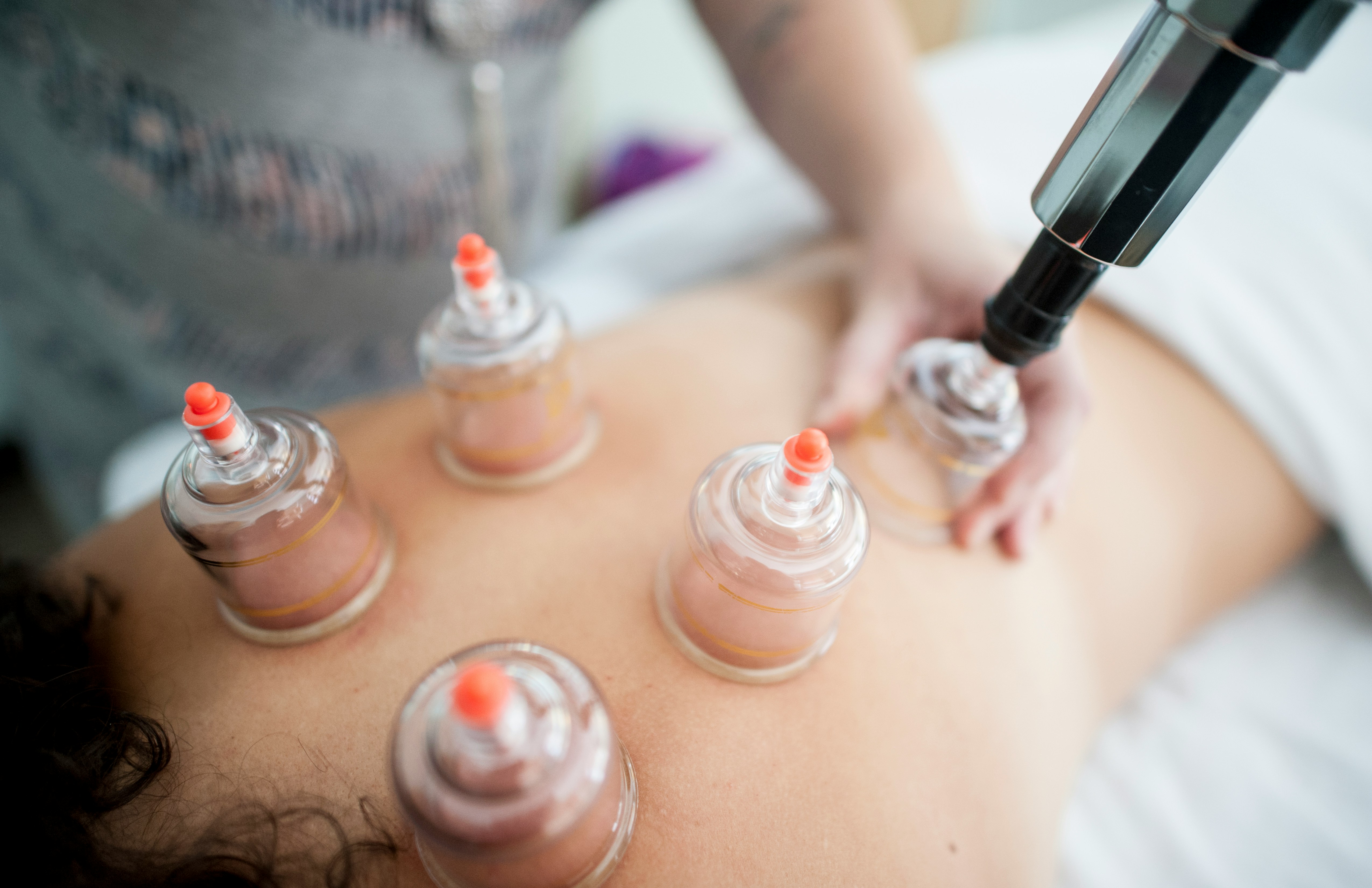
Wellness Services
$97
Click on the "Services & Pricing" tab to see all services provided

Physical Therapy
Pelvic Floor
$200
Experience a thorough pelvic health screening inclusive of manual techniques, functional movements, and tailored treatment plan to help achieve your goals
Online Programs Coming Soon!




Curious about what it's like to work with a Physical Therapist, but unsure of the best starting point? Delve into our blog posts or connect with us on social media below to gain deeper insights!
Quick Links
Specialized Physical Therapy
Jaw Dysfunctions (TMD/TMJ)
Jaw Clicking
Jaw Pain & Headaches
Pelvic Dysfunctions
Pelvic Floor Tension
Incontinence (leaking)
Postpartum Recovery
Testicular Pain
Orthopedic Conditions
Low back Pain
Knee pain
Ankle sprains
Neck Pain
Post-surgery recovery
Copyright 2023 . All rights reserved

Instagram
Youtube
LinkedIn