
Blogs By Dr. Sandy
Blogs By
Dr. Sandy
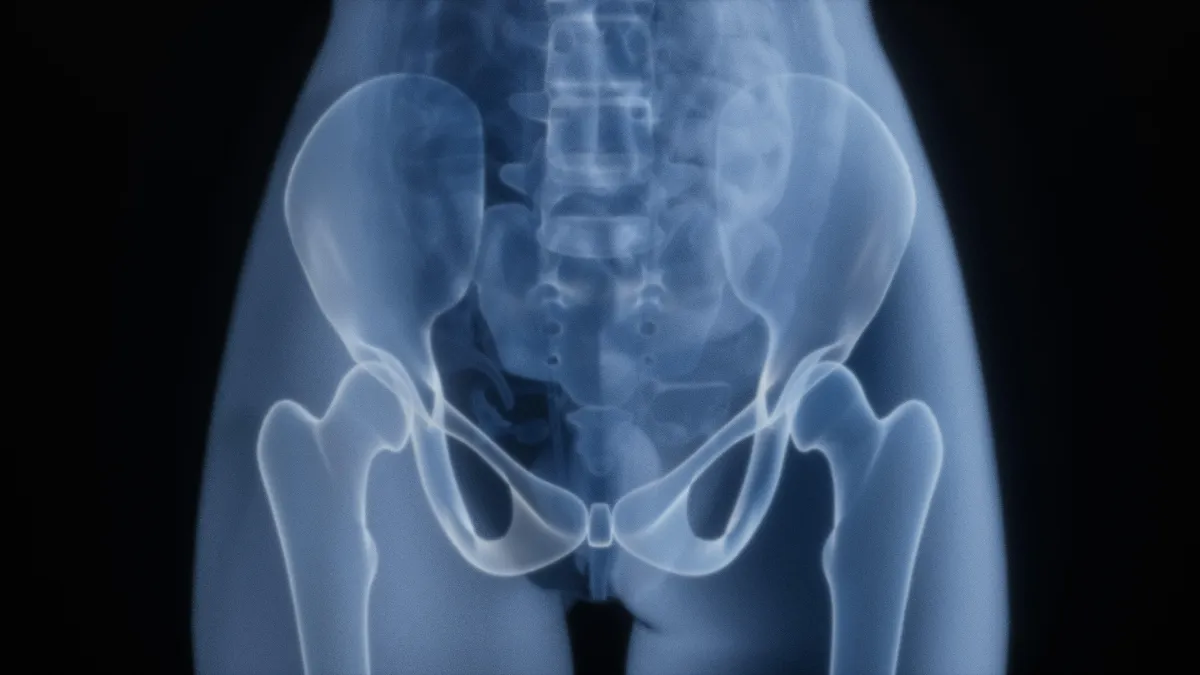
Why Medical Doctors Can Miss Male Pelvic Floor Problems
Have you ever gone to the doctor for pelvic pain, bladder problems, testicular discomfort, or changes with sex…only to be told“Everything looks normal”?
It can be incredibly frustrating, especially when you know something doesn’t feel right. But there may be a reason your tests aren’t showing anything.
Sometimes the Problem Is How Things Work...Not How They Look
Many medical tests are great at finding structural problems like infections, kidney stones, tumors, injuries, or other diseases. But sometimes male pelvic symptoms involve how the muscles and nervous system are functioning, rather than something that can easily be seen on a scan.
Your pelvic floor is a group of muscles at the bottom of your pelvis that helps control your bladder, bowels, erections, ejaculation, and more.
These muscles can become too tight, tender, or poorly coordinated.
Think about clenching your fist all day. Eventually your hand would probably become tired, sore, and difficult to move normally. Something similar can happen with muscles in the pelvis.
Why Can Your Tests Still Be Normal?
Imagine taking a picture of a car engine.
The engine might look perfectly fine in the picture, but that picture can't tell you whether the car shakes when you accelerate or stalls at a red light.
Your body can work the same way.
A scan may show what your structures look like, but it doesn't always tell us exactly how your muscles are functioning.
This is becoming increasingly recognized in medicine. The American Urological Association's guideline for male chronic pelvic pain recommends evaluating potential musculoskeletal and pelvic floor contributors, including checking the pelvic floor muscles for tenderness.
Stress Can Show Up Down There Too
Think about what happens when you're stressed.
You might clench your jaw, raise your shoulders, tighten your stomach…and sometimes tighten your pelvic floor without realizing it.
That doesn't mean your symptoms are “just stress.” It means your muscles and nervous system can become part of a cycle of tension and pain.
And here's an important one: more Kegels are NOT always the answer.
If your pelvic floor is already tight and having difficulty relaxing, repeatedly squeezing those muscles may not address the actual problem.
This Is Where Pelvic Floor PT Comes In
Pelvic floor physical therapy looks at more than just where you hurt. We may evaluate your hips, back, breathing, abdominal muscles, pelvic floor tension, muscle coordination, and your ability to both contract AND relax those muscles.
Research supports pelvic floor physical therapy as a treatment option for some people with pelvic floor overactivity and chronic pelvic pain, although it isn't the answer for every person.
So if your tests keep coming back normal but you're still dealing with pelvic pain, urinary problems, bowel issues, or painful sexual symptoms, it may be worth asking:
“Could my pelvic floor be part of this?”
Sometimes the missing piece isn't something that shows up on a scan.
It's understanding how the entire system is working.
—Dr. Sandy Shulca, PT, DPT
Pelvic Health & TMJ Physical Therapist
This blog is for educational purposes and does not replace individualized medical evaluation or treatment.

Curious about what it's like to work with a Physical Therapist, but unsure of the best starting point? Delve into our blog posts or connect with us on social media below to gain deeper insights!
Quick Links
Specialized Physical Therapy
Jaw Dysfunctions (TMD/TMJ)
Jaw Clicking
Jaw Pain & Headaches
Pelvic Dysfunctions
Pelvic Floor Tension
Incontinence (leaking)
Postpartum Recovery
Testicular Pain
Orthopedic Conditions
Low back Pain
Knee pain
Ankle sprains
Neck Pain
Post-surgery recovery
Instagram
Youtube
LinkedIn